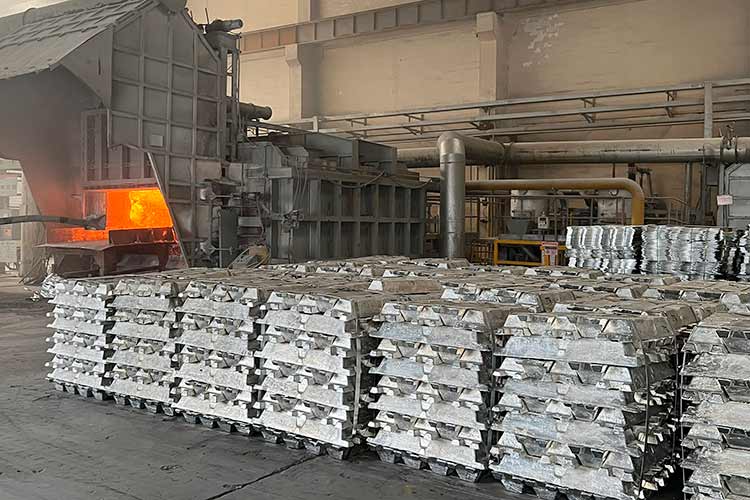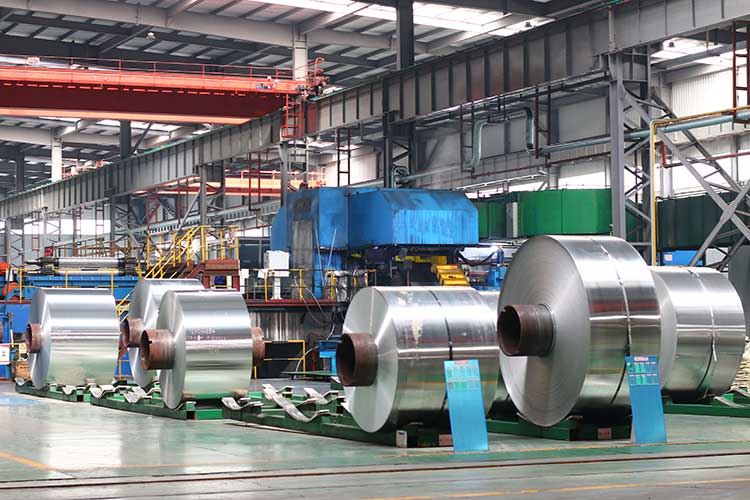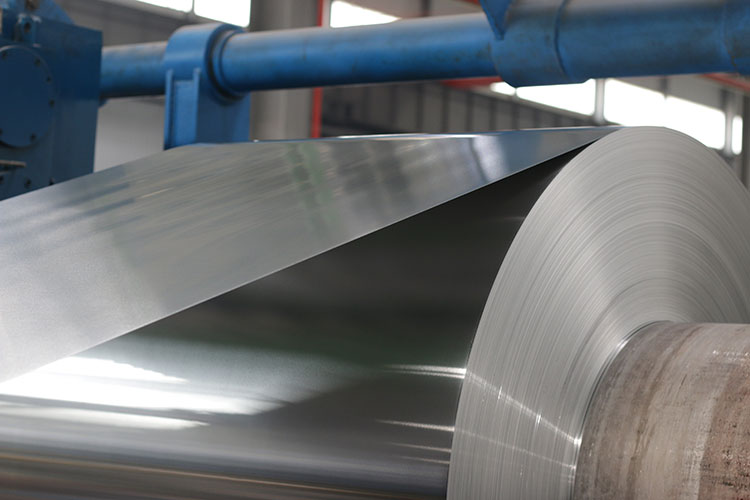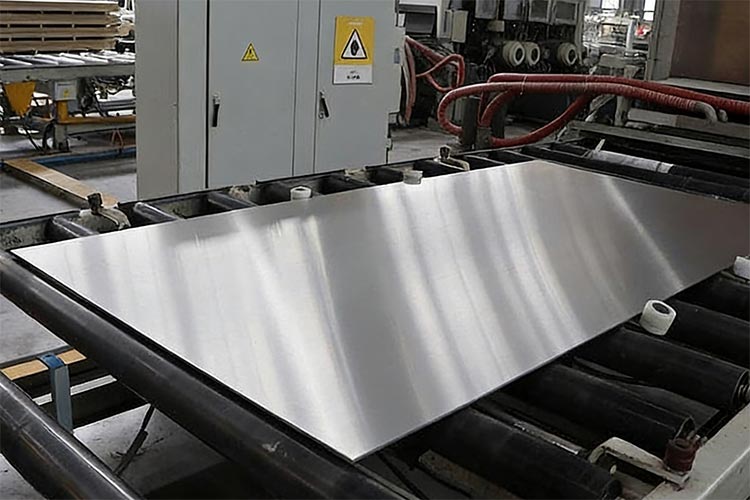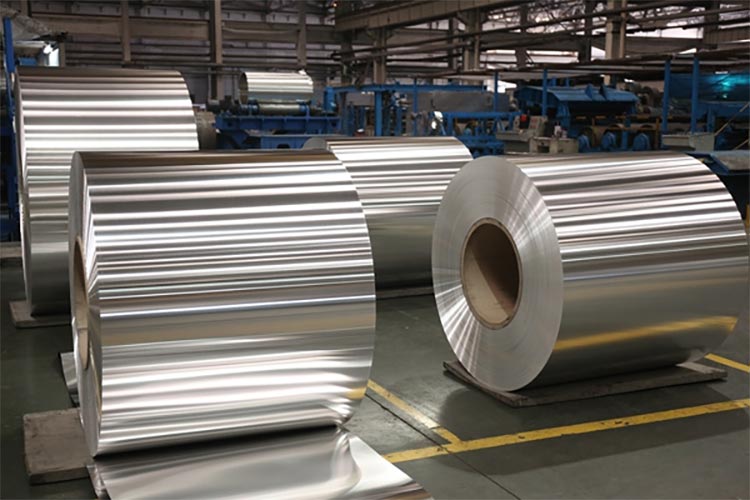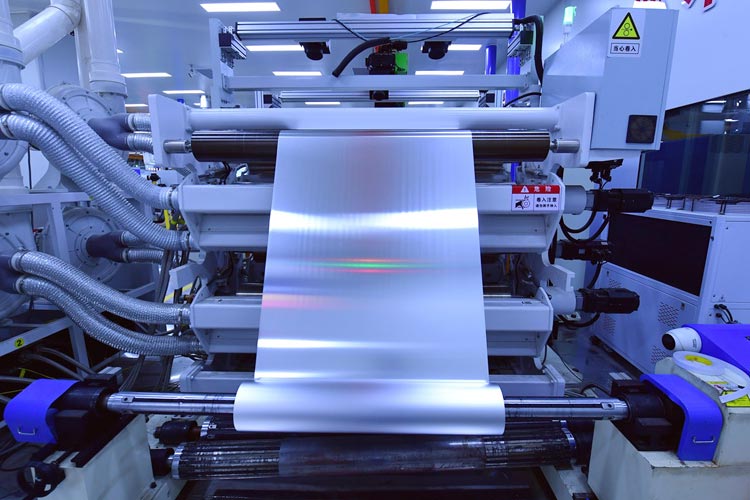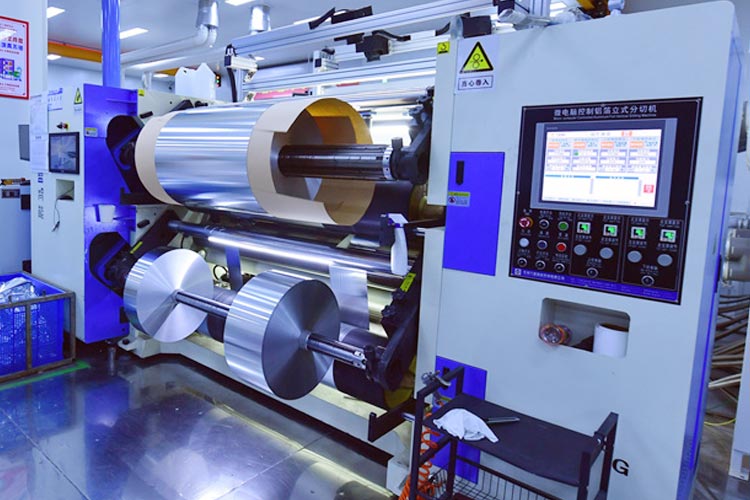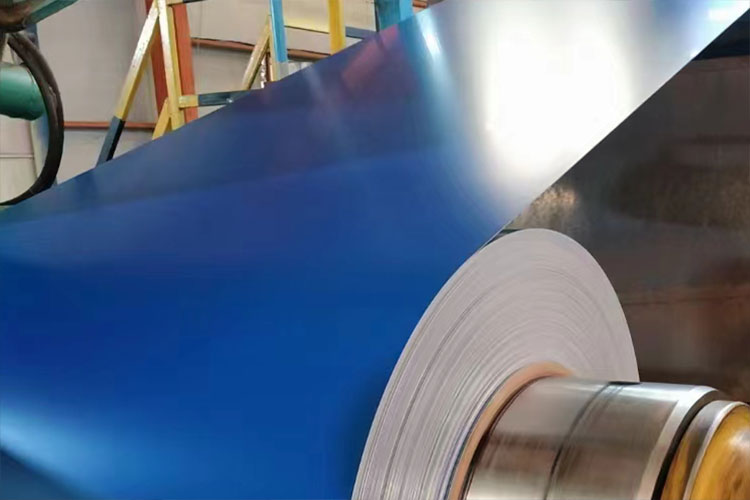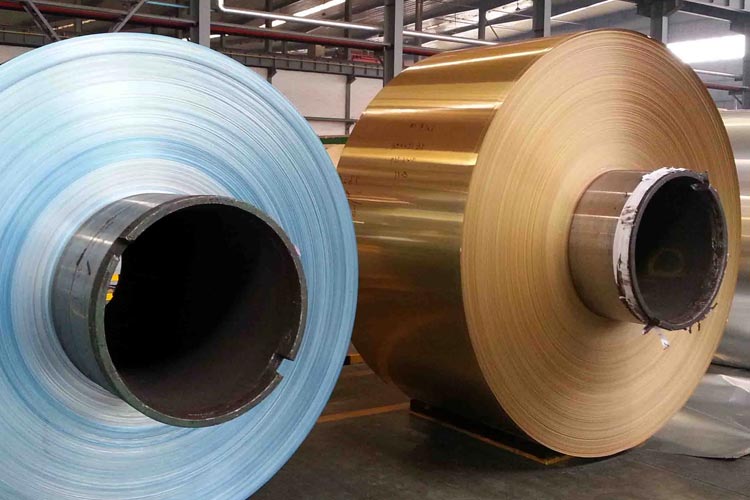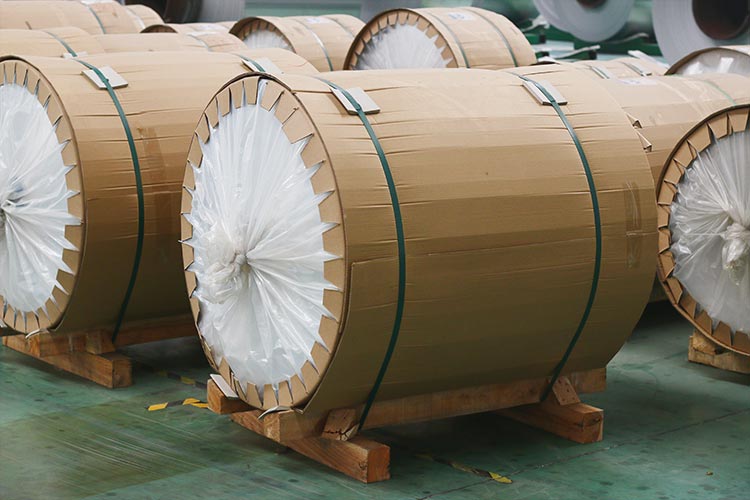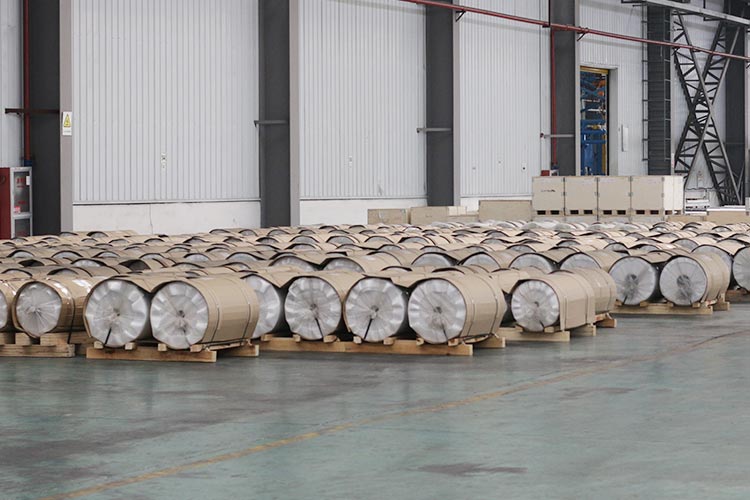
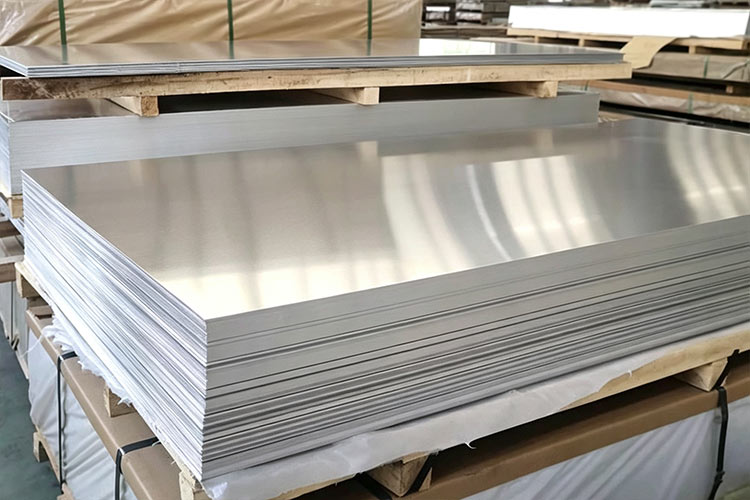
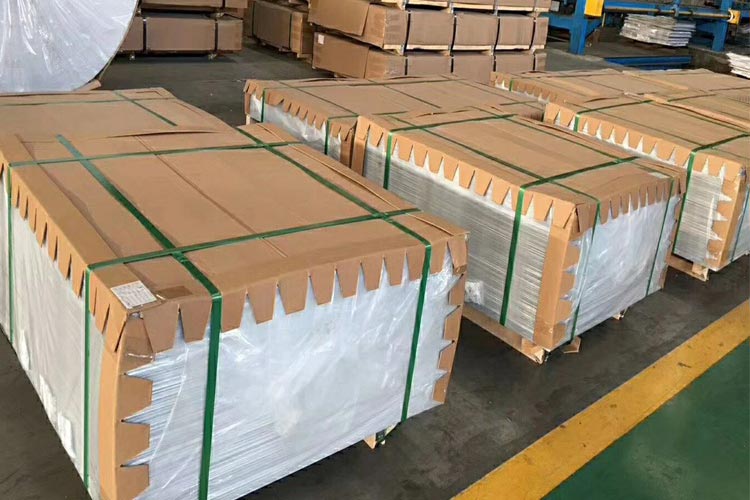
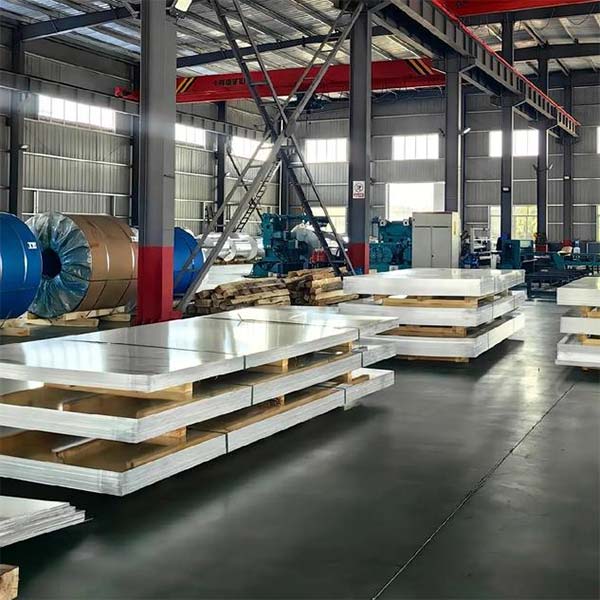
La lámina de aluminio 1070 pertenece a la serie 1000 de aluminio comercialmente puro, con un contenido de aluminio no inferior al 99,70%. Como uno de los grados de aluminio de mayor pureza de esta serie, el 1070 ofrece una conductividad eléctrica, conductividad térmica y resistencia a la corrosión excepcionales, lo que la hace especialmente adecuada para aplicaciones donde la alta conductividad y la pureza del material son críticas.
Descripción
Yutwin New Materials
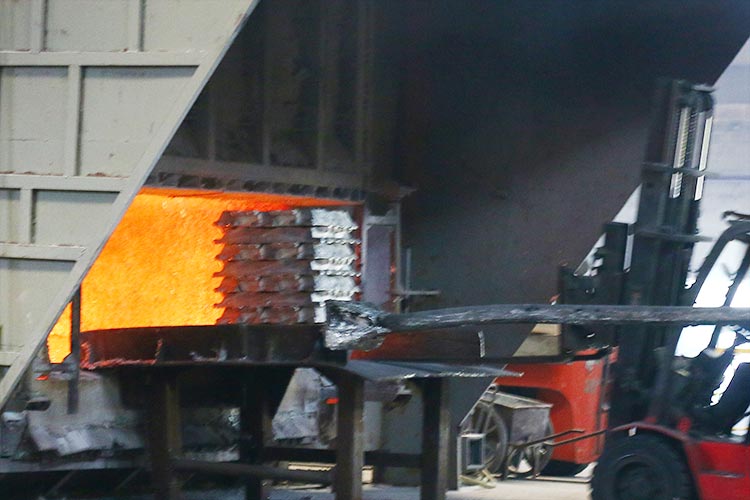
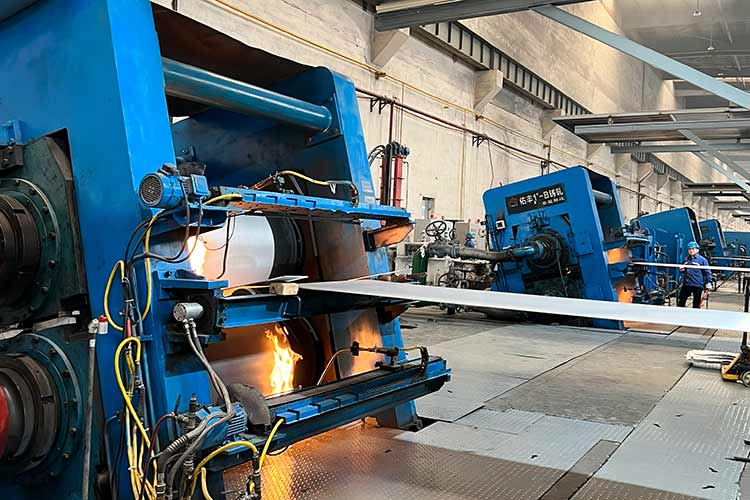
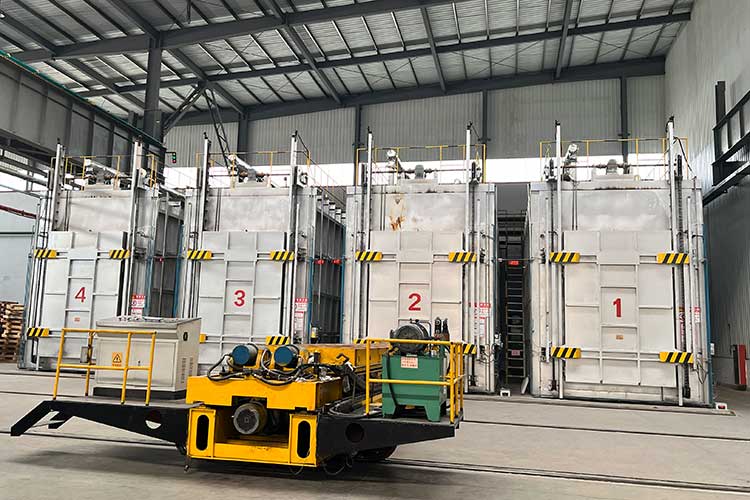
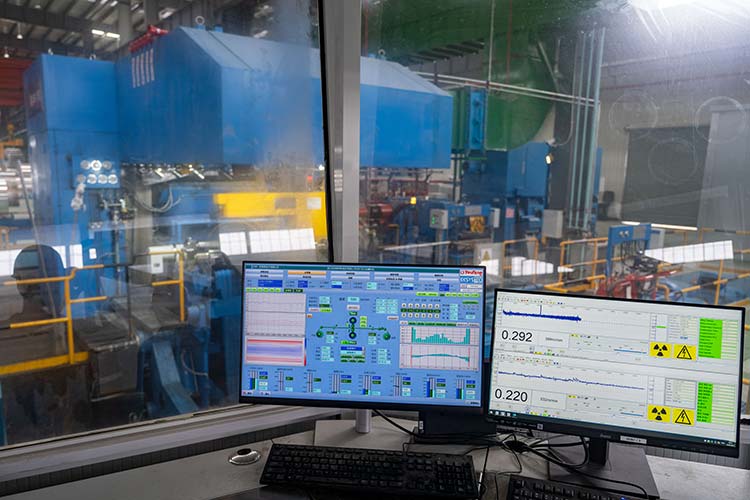
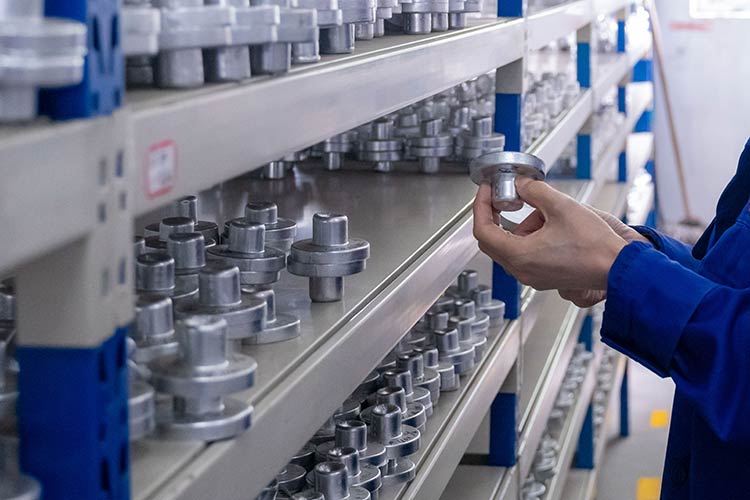
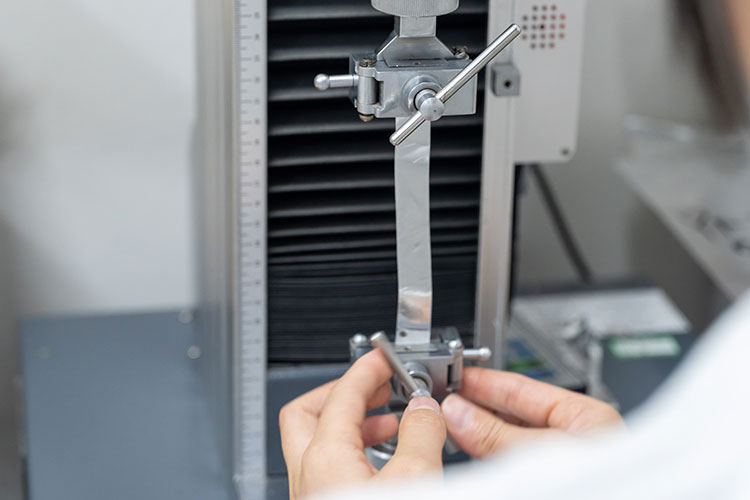
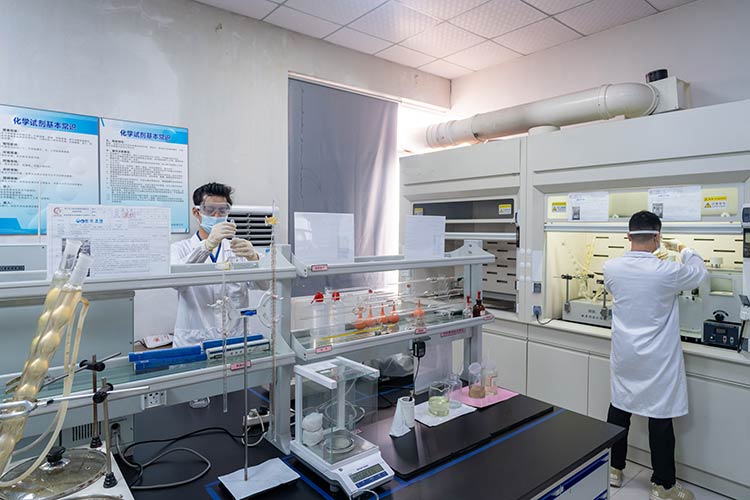
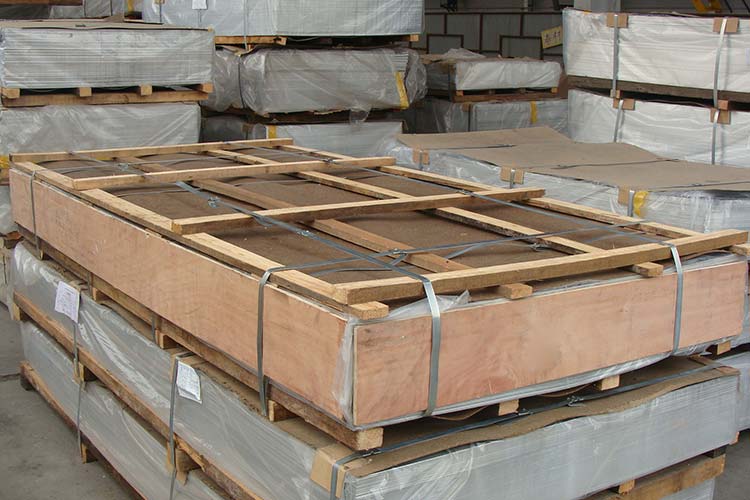
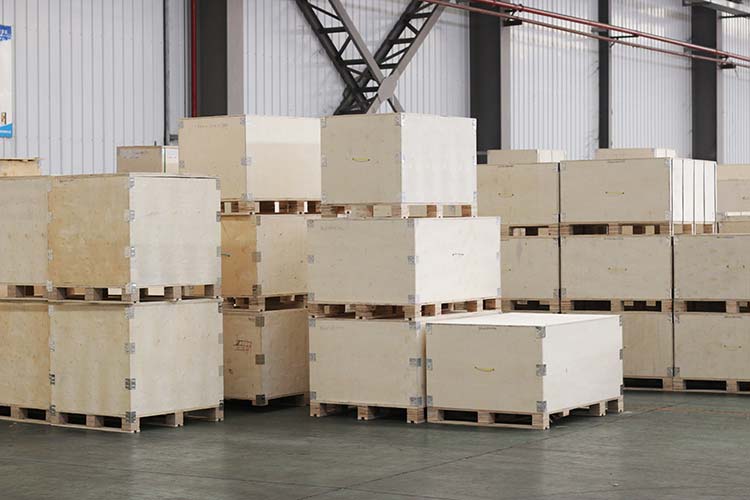
Yutwin New Materials se especializa en la producción de láminas y bobinas de aluminio en una amplia gama de aleaciones, grados y especificaciones, ofreciendo una calidad estable, una personalización flexible y un suministro fiable para satisfacer las diversas necesidades de diferentes industrias.
Características
- Aluminio de alta pureza (Al ≥ 99,7%)
Pertenece a la serie 1000 de aleaciones de aluminio, con un contenido de impurezas extremadamente bajo y una excelente consistencia de materiales.
- Conductividad eléctrica sobresaliente
Conductividad eléctrica de hasta aproximadamente un 62–63% de IACS, lo que la hace ideal para aplicaciones eléctricas y conductoras.
- Excelente conductividad térmica
Proporciona una transferencia y disipación eficiente de calor para aplicaciones de gestión térmica.
- Resistencia superior a la corrosión
Forma una capa estable y densa de óxido, ofreciendo una resistencia fiable a ambientes atmosféricos y húmedos.
- Excelente formabilidad y maniobrabilidad
Muy blanda y altamente dúctil, fácil de procesar doblando, estampando, estirando, enrollando y estirando profundamente.
- Calidad superficial lisa y uniforme
Adecuado para anodizar, pintar, recubrir, relievar y laminar películas.
- Buena soldabilidad
Compatible con métodos comunes de soldadura de aluminio como TIG y MIG.
Especificaciones
| Parámetro | Descripción |
|---|---|
| Aleación | 1070 |
| Composición química (%) | Al ≥ 99,70, Si ≤ 0,20, Fe ≤ 0,25, Cu ≤ 0,04, Mn ≤ 0,03, Mg ≤ 0,03, Zn ≤ 0,04, Ti ≤ 0,03, Otros ≤ 0,05 |
| Temperamento | O, H12, H14, H16, H18 |
| Rango de espesor | 0,2 – 6,0 mm (personalizable) |
| Anchura | Personalizable (20 – 2000 mm) |
| Longitud | 2000 – 6000 |
| Acabado superficial | Acabado de fresador, brillante, cepillado, recubierto, laminado en película (opcional) |
| Estándar | ASTM B209 / EN AW-1070 / GB/T 3880 |
Common Aluminum Surface Treatments

Pulido
El pulido emplea métodos de abrasión mecánica, químicos o electroquímicos para mejorar la lisura y el brillo de las superficies de aluminio. El aluminio pulido presenta un acabado de alto brillo y una excelente apariencia decorativa.
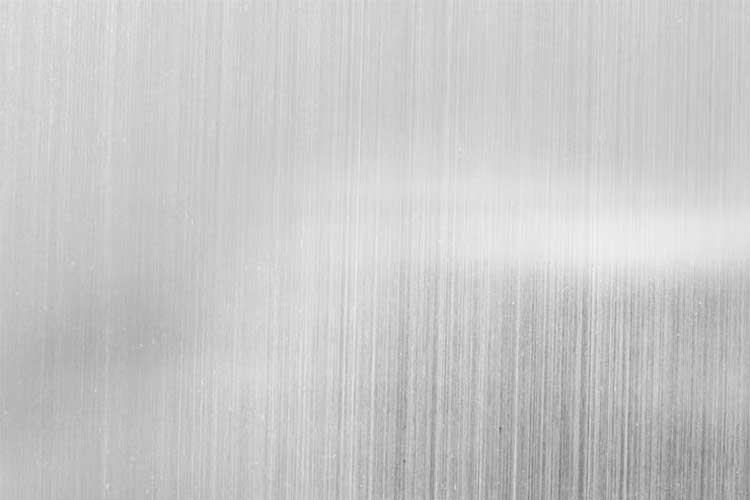
Cepillada
El cepillado es un proceso de tratamiento superficial que crea texturas finas y direccionales en el aluminio mediante el uso de bandas abrasivas o cepillos. La superficie cepillada ofrece un aspecto metálico refinado a la vez que ayuda a disimular los arañazos leves.
Revestimiento
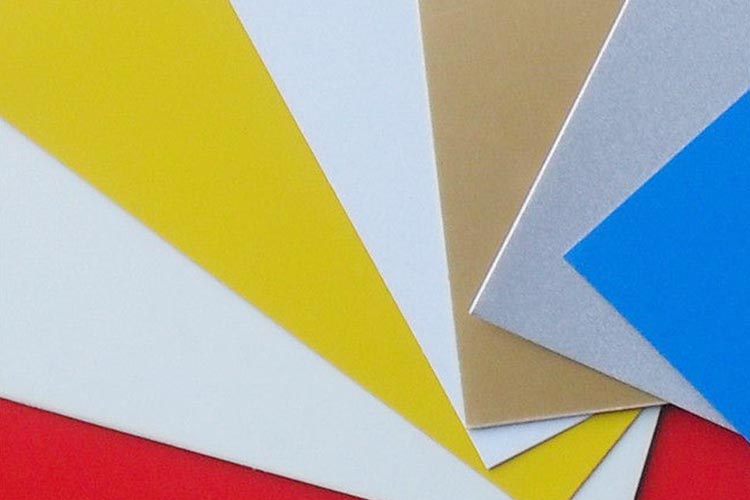
El proceso de recubrimiento aplica una capa protectora sobre la superficie de aluminio mediante técnicas como el recubrimiento en polvo, la pulverización de pintura líquida u otros métodos. Este acabado proporciona una excelente resistencia a la intemperie, protección contra la corrosión y una amplia variedad de opciones de color. El aluminio recubierto combina un atractivo estético con una gran durabilidad a largo plazo.
Anodizado
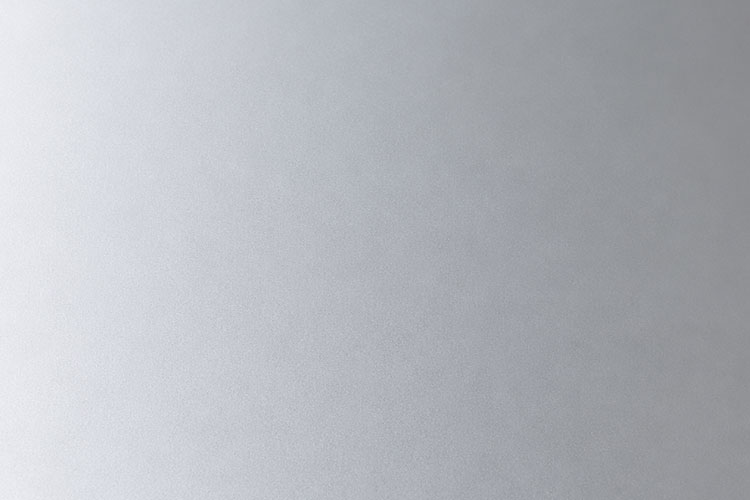
El anodizado es un proceso electroquímico que forma una capa densa de óxido en la superficie del aluminio, mejorando la resistencia a la corrosión, la resistencia al desgaste y la dureza superficial. La capa de óxido también puede teñirse para lograr diversos acabados.
Chorro de arena
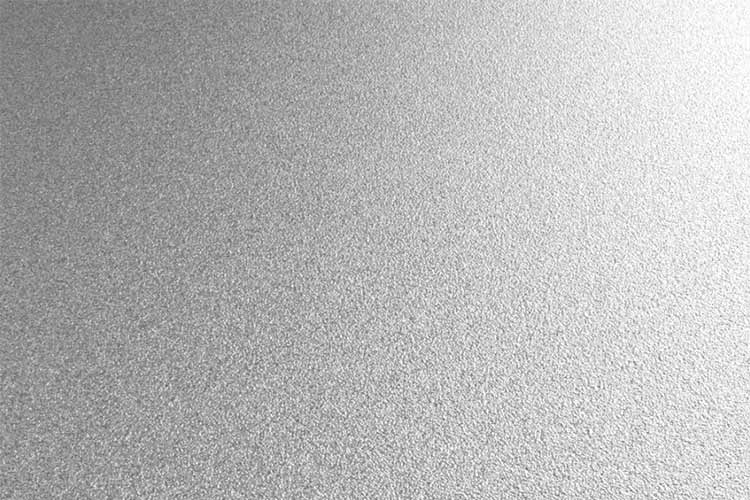
El granallado con arena utiliza partículas abrasivas a alta velocidad que impactan contra la superficie de aluminio, creando una textura mate uniforme. Este proceso proporciona un aspecto metálico suave, reduce las marcas de huellas dactilares y mejora la adherencia del recubrimiento para los procesos de acabado posteriores.
Realce
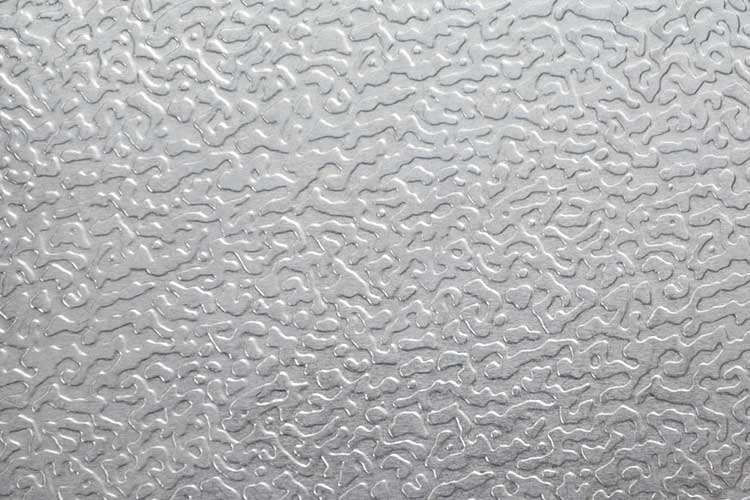
El estampado es un proceso que forma patrones elevados o empotrados en superficies de aluminio mediante laminado o estampado. Los patrones comunes incluyen texturas de estuco, diamantes y vetas de madera. El aluminio repujado ofrece excelentes efectos decorativos, resistencia al rayado y ciertas propiedades antideslizantes.
Aplicaciones típicas
- Aplicaciones eléctricas
Ideal para barras colectoras, paneles eléctricos, componentes de transformadores y otras partes conductoras debido a su alta conductividad eléctrica.
- Aplicaciones arquitectónicas y de edificación
Adecuado para tejados, revestimientos de paredes, paneles de techo, láminas decorativas y paneles interiores debido a su excelente resistencia a la corrosión.
- Transferencia de calor y aplicaciones térmicas
Se utiliza en intercambiadores de calor, escudos térmicos, paneles de aislamiento y otros componentes que requieren una gestión térmica eficaz.
- Equipos químicos e industriales
Aplicable para tanques, cubiertas, contenedores y paneles de protección en ambientes químicos suaves.
- Señalización y productos decorativos
Comúnmente utilizado para placas con nombre, carteles, reflectores y paneles decorativos con tratamiento de anodización o recubrimiento.
- Fabricación y conformado general
Excelente para doblar, estampar, estirar, rodar y estampar profundamente componentes no estructurales.