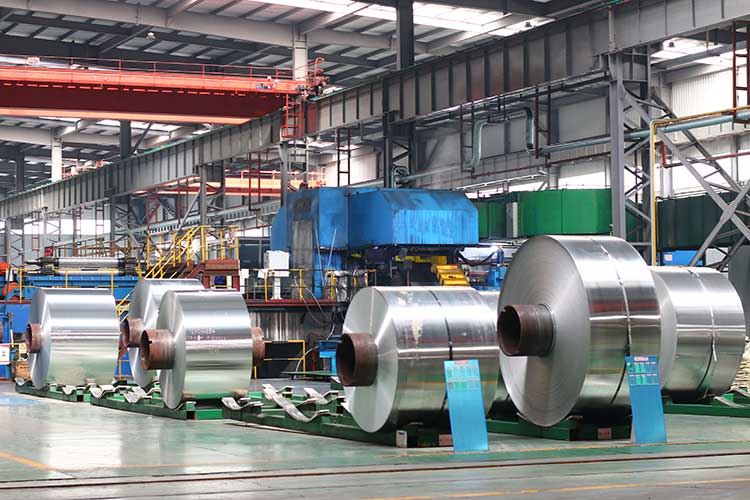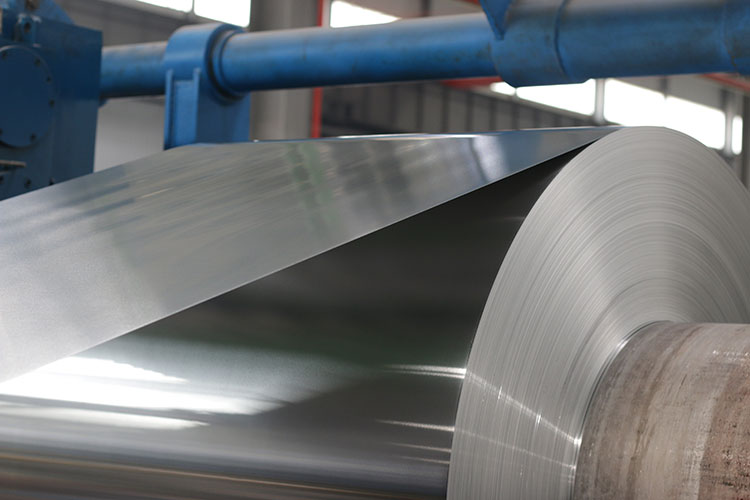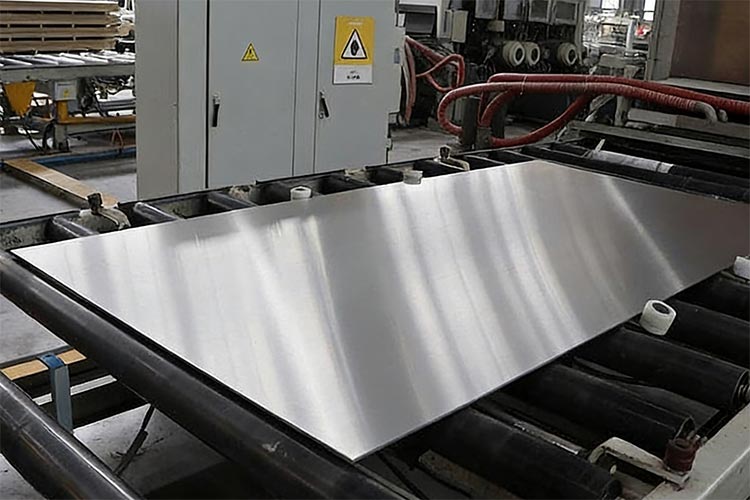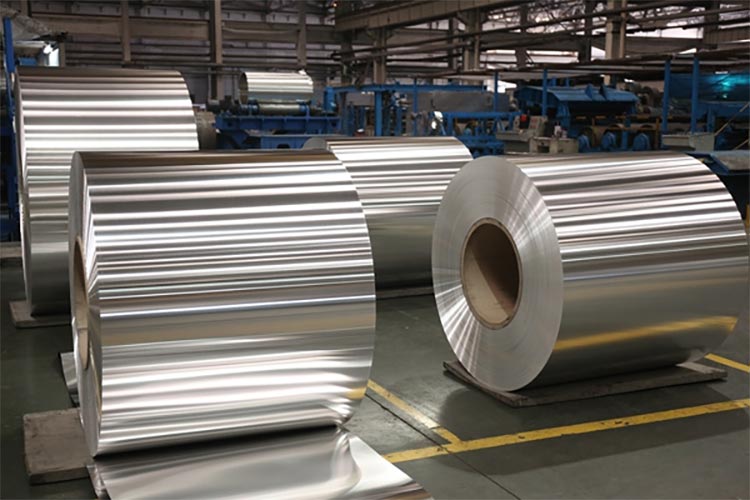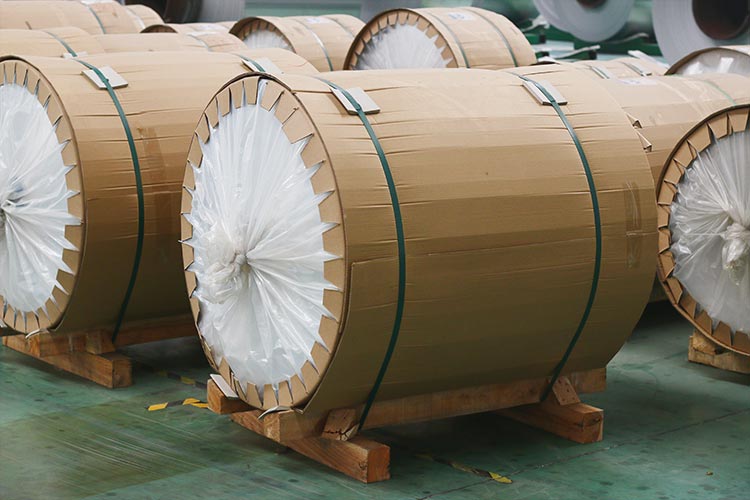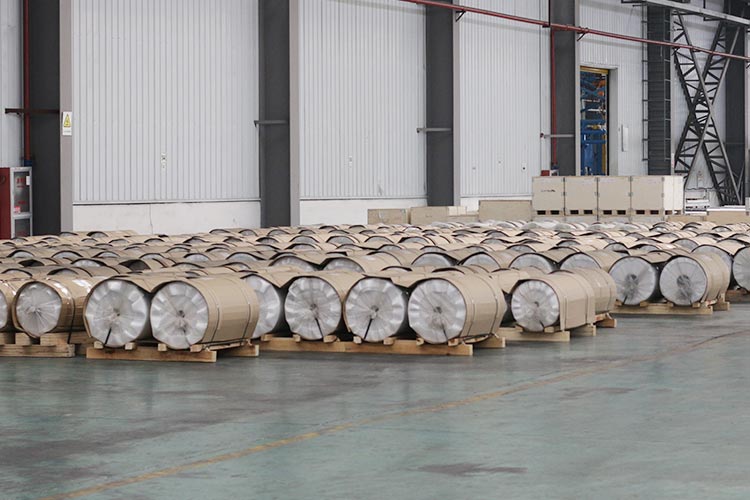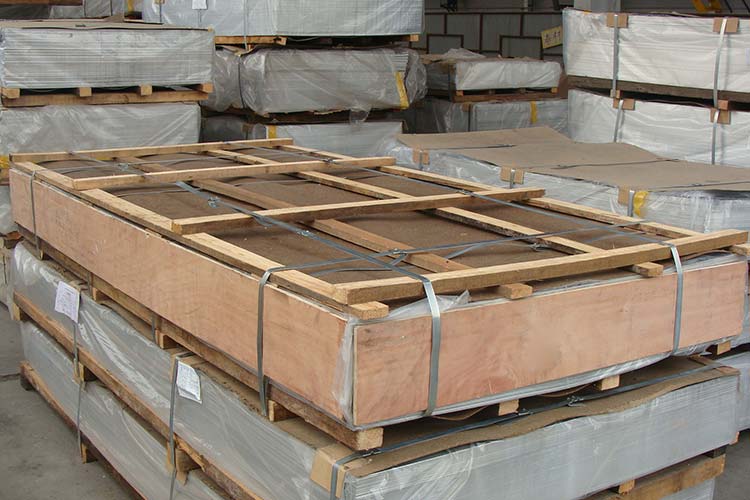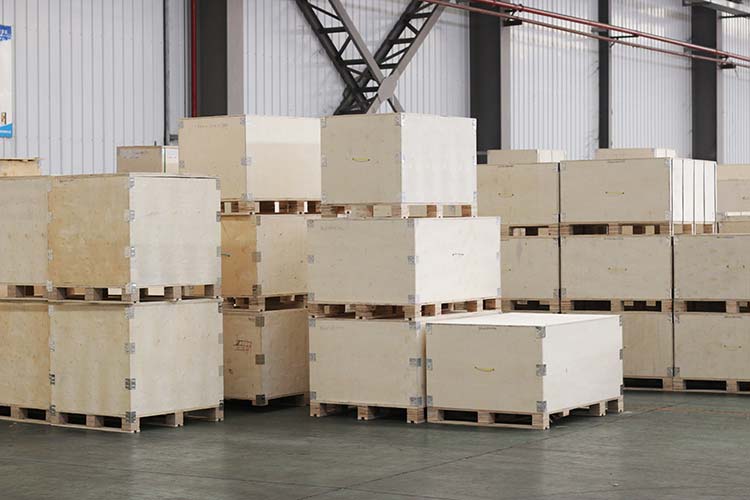
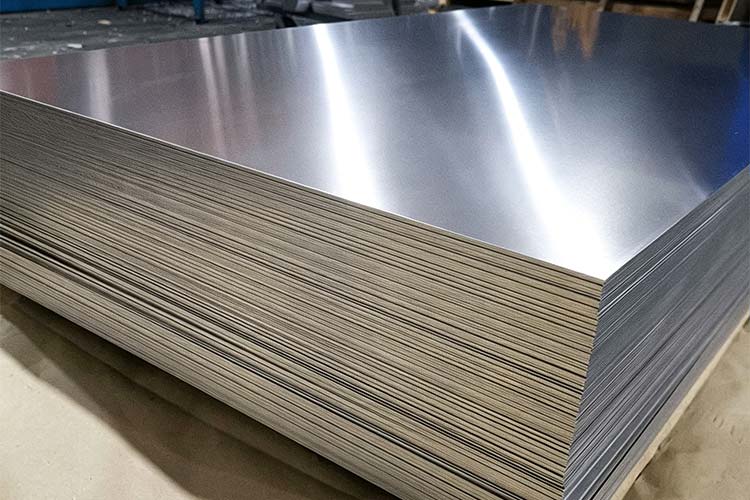
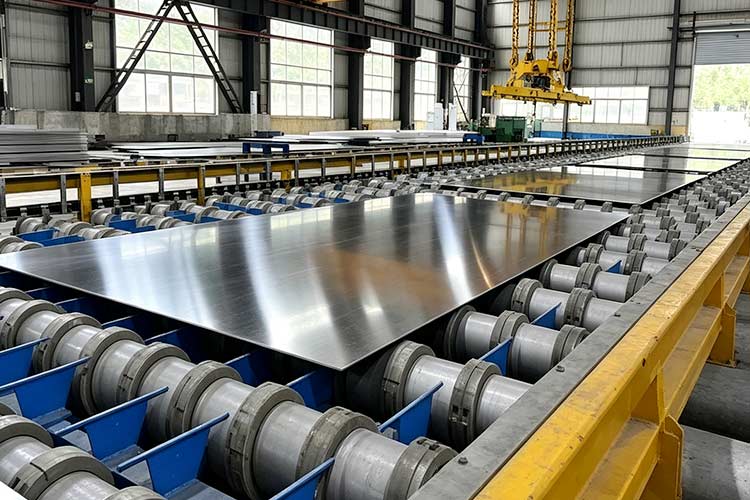
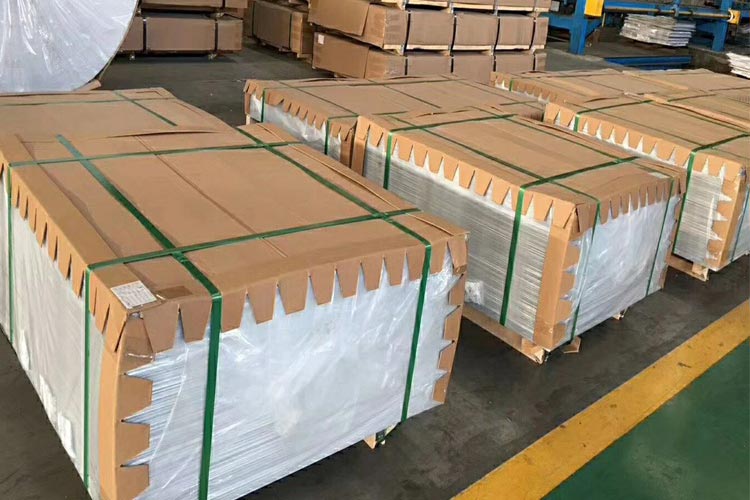
La lámina de aluminio 5454 es una aleación de aluminio-magnesio no termotratable de la serie 5000. Es conocido por su excelente resistencia a la corrosión, buena capacidad de soldar y resistencia moderada, lo que lo hace adecuado para las industrias marinas, de transporte y químicas. La aleación 5454 se utiliza ampliamente cuando se requiere integridad estructural y resistencia a entornos hostiles.
Descripción
Yutwin New Materials
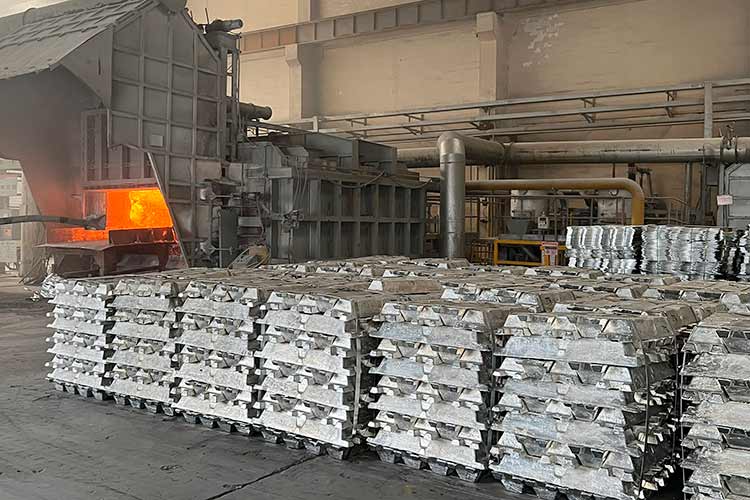
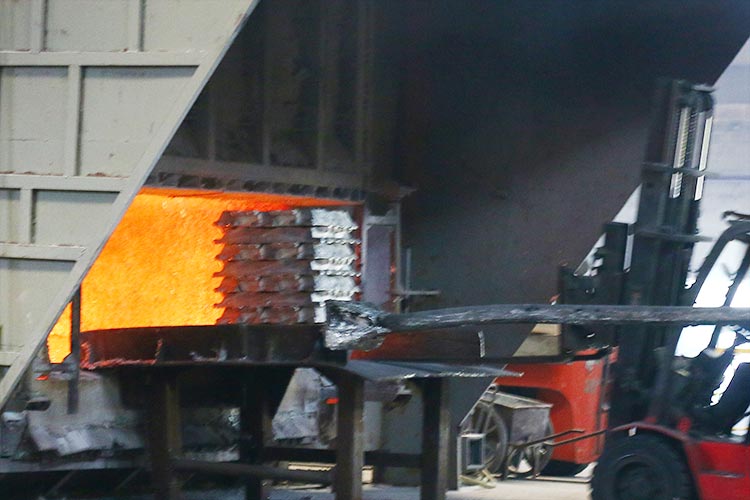
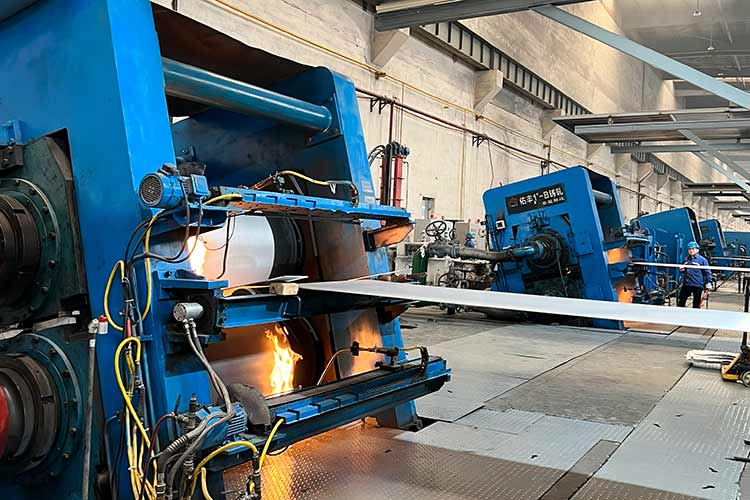
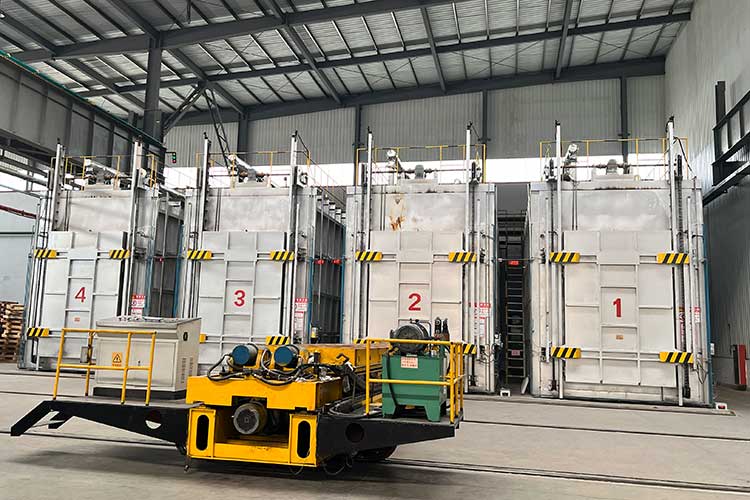
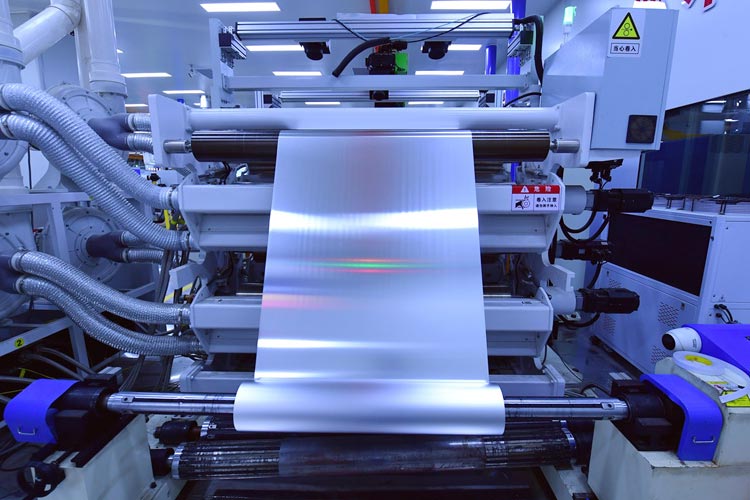
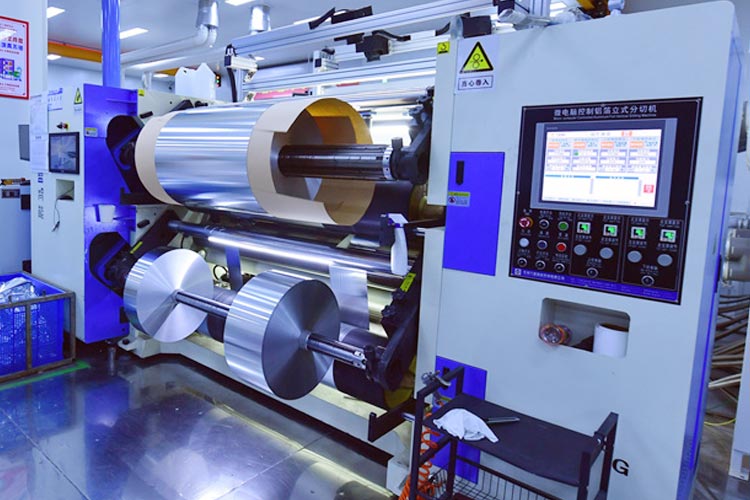
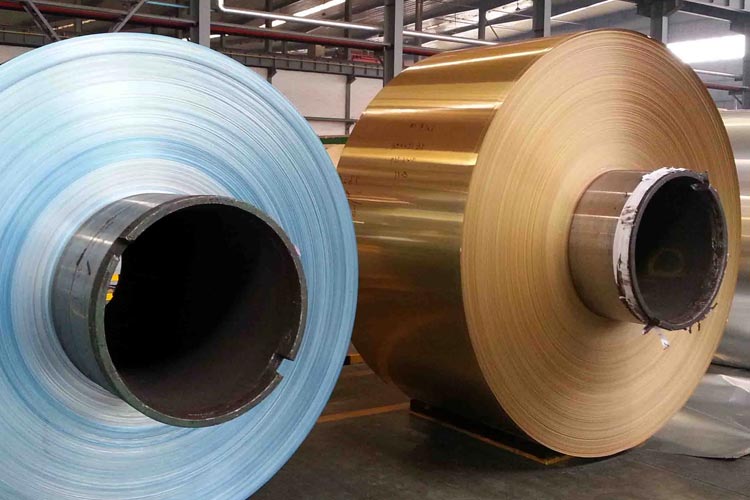
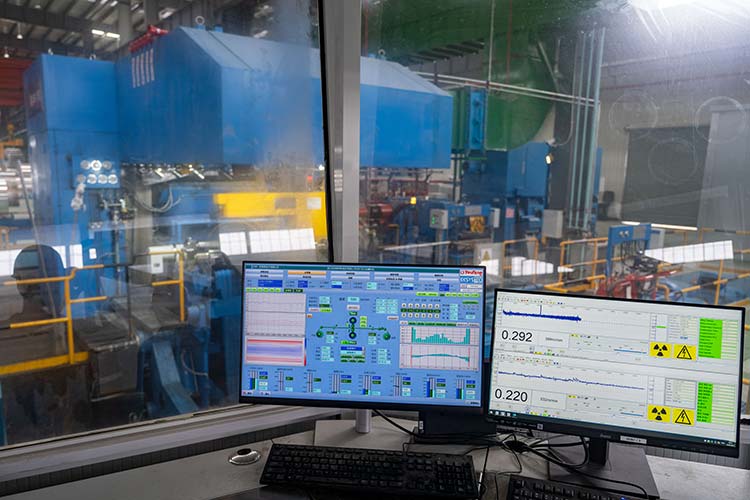
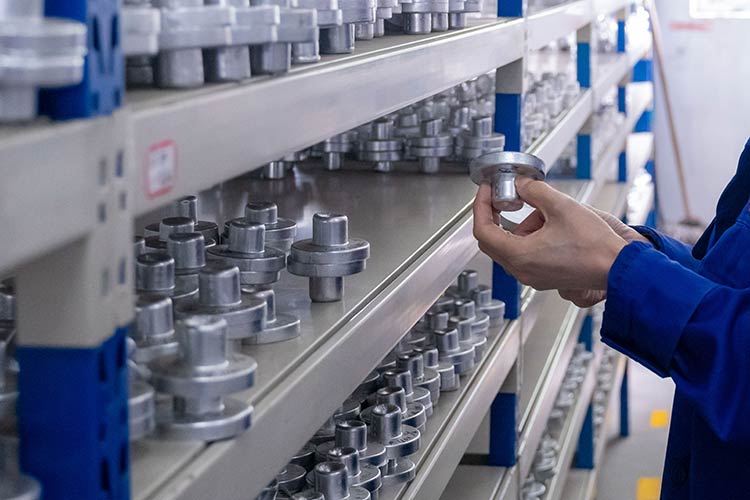
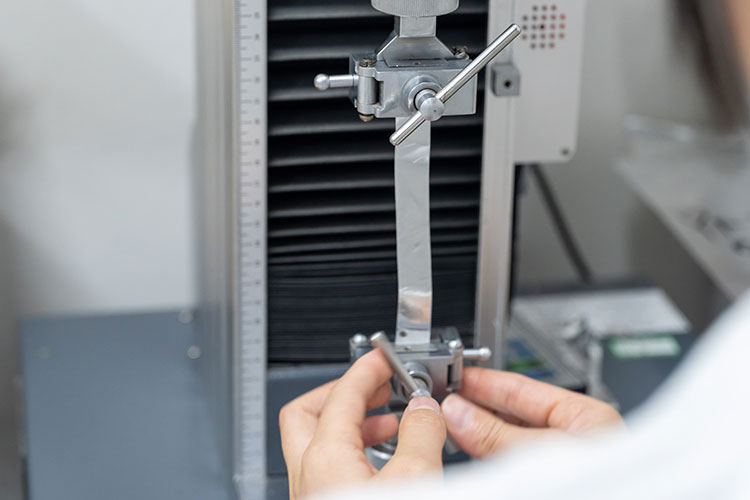
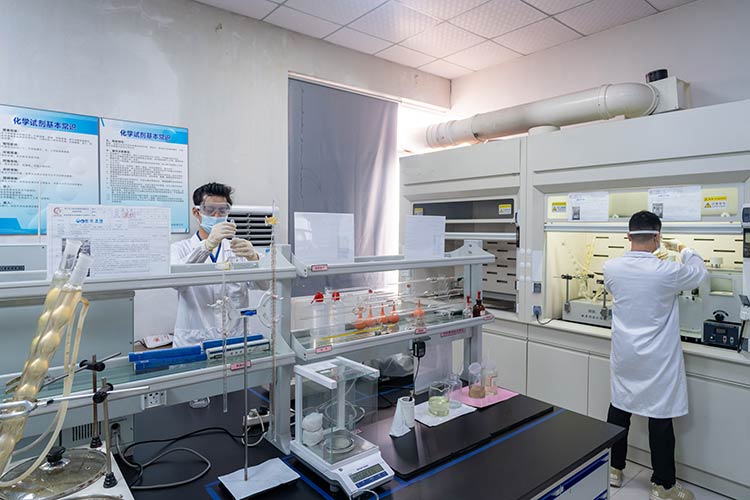
Yutwin New Materials se especializa en la producción de láminas y bobinas de aluminio en una amplia gama de aleaciones, grados y especificaciones, ofreciendo una calidad estable, una personalización flexible y un suministro fiable para satisfacer las diversas necesidades de diferentes industrias.
Características
- Excelente resistencia a la corrosión
Proporciona una resistencia superior al agua de mar, atmósferas químicas y corrosión ambiental general, asegurando una durabilidad a largo plazo.
- Buena resistencia mecánica
Ofrece mayor resistencia que las aleaciones 5052 y 5A05 manteniendo la ductilidad, adecuada para aplicaciones estructurales.
- Excelente capacidad de soldar
Soporta soldadura TIG, MIG y por puntos con calidad fiable de las juntas.
- Buena formabilidad
Se puede doblar, enrollar y moldear fácilmente para la fabricación de chapa metálica.
- Rendimiento duradero y estable
Mantiene las propiedades mecánicas y la resistencia a la corrosión bajo condiciones de servicio prolongadas.
Especificaciones
| Punto | Especificaciones |
|---|---|
| Aleación / Grado | 5454 |
| Composición química (%) | Mg 4,7–5,5, Cr 0,20–0,50, Fe ≤ 0,40, y ≤ 0,25, ≤ 0,10, Mn ≤ 0,10, Zn ≤ 0,25, Ti ≤ 0,15, saldo Al |
| Serie | Serie 5000 (Al-MG) |
| Temperamento | O, H12, H14, H16, H22 |
| Grosor (mm) | 0.5 – 6.0 |
| Anchura (mm) | 100 – 2650 |
| Longitud (mm) | 1000 – 12000 (Personalizable) |
| Acabado superficial | Acabado de molino, anodizado, pintado, pulido |
| Estándar | ASTM B209, EN AW-5454, GB/T 3880 |
Common Aluminum Surface Treatments

Pulido
El pulido emplea métodos de abrasión mecánica, químicos o electroquímicos para mejorar la lisura y el brillo de las superficies de aluminio. El aluminio pulido presenta un acabado de alto brillo y una excelente apariencia decorativa.
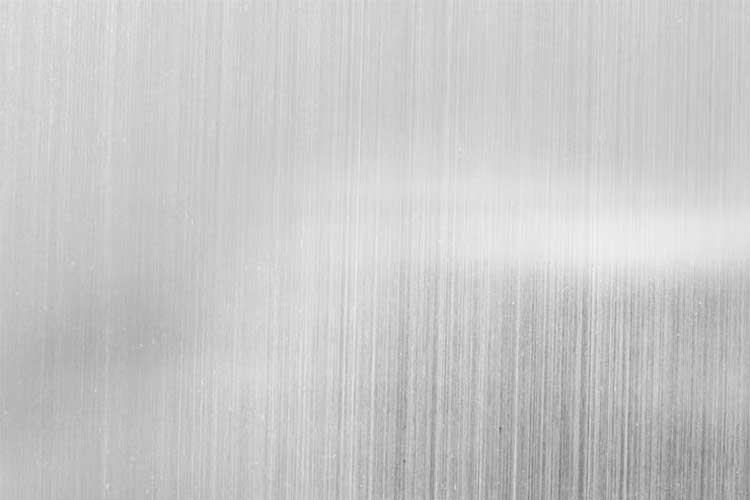
Cepillada
El cepillado es un proceso de tratamiento superficial que crea texturas finas y direccionales en el aluminio mediante el uso de bandas abrasivas o cepillos. La superficie cepillada ofrece un aspecto metálico refinado a la vez que ayuda a disimular los arañazos leves.
Revestimiento
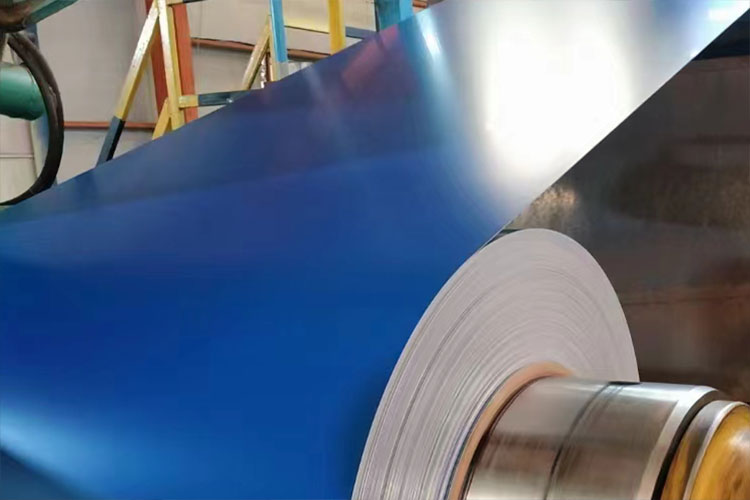
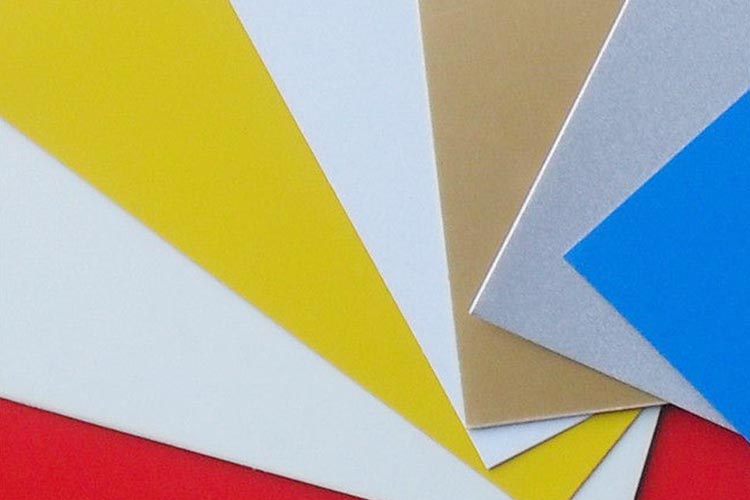
El proceso de recubrimiento aplica una capa protectora sobre la superficie de aluminio mediante técnicas como el recubrimiento en polvo, la pulverización de pintura líquida u otros métodos. Este acabado proporciona una excelente resistencia a la intemperie, protección contra la corrosión y una amplia variedad de opciones de color. El aluminio recubierto combina un atractivo estético con una gran durabilidad a largo plazo.

Anodizado
El anodizado es un proceso electroquímico que forma una capa densa de óxido en la superficie del aluminio, mejorando la resistencia a la corrosión, la resistencia al desgaste y la dureza superficial. La capa de óxido también puede teñirse para lograr diversos acabados.
Chorro de arena
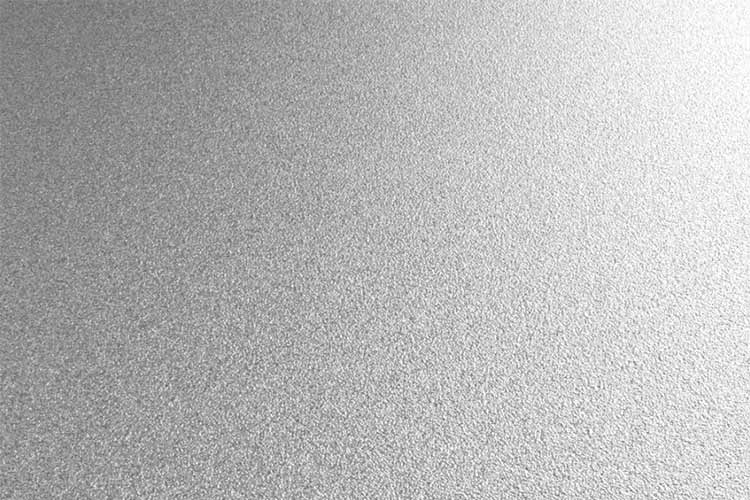
El granallado con arena utiliza partículas abrasivas a alta velocidad que impactan contra la superficie de aluminio, creando una textura mate uniforme. Este proceso proporciona un aspecto metálico suave, reduce las marcas de huellas dactilares y mejora la adherencia del recubrimiento para los procesos de acabado posteriores.
Realce
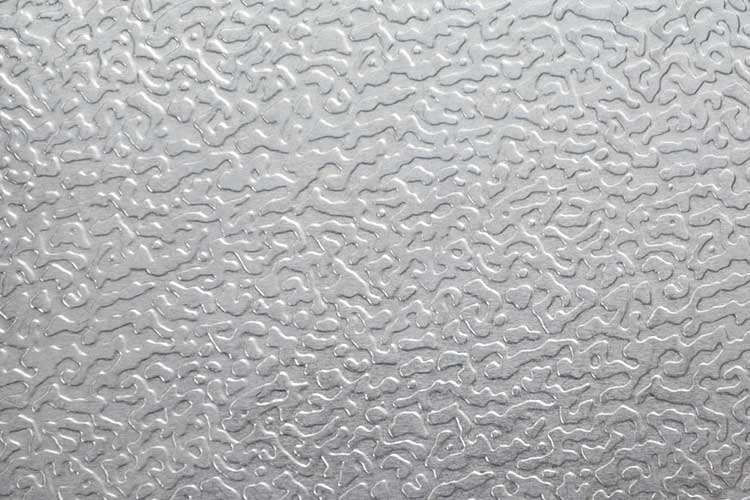
El estampado es un proceso que forma patrones elevados o empotrados en superficies de aluminio mediante laminado o estampado. Los patrones comunes incluyen texturas de estuco, diamantes y vetas de madera. El aluminio repujado ofrece excelentes efectos decorativos, resistencia al rayado y ciertas propiedades antideslizantes.
Aplicaciones
- Paneles marítimos y de construcción naval.
- Cuerpos de vehículos y transporte.
- Paneles arquitectónicos, cubiertas y fachadas.
- Tanques de almacenamiento y contenedores de productos químicos.
- Componentes estructurales industriales.