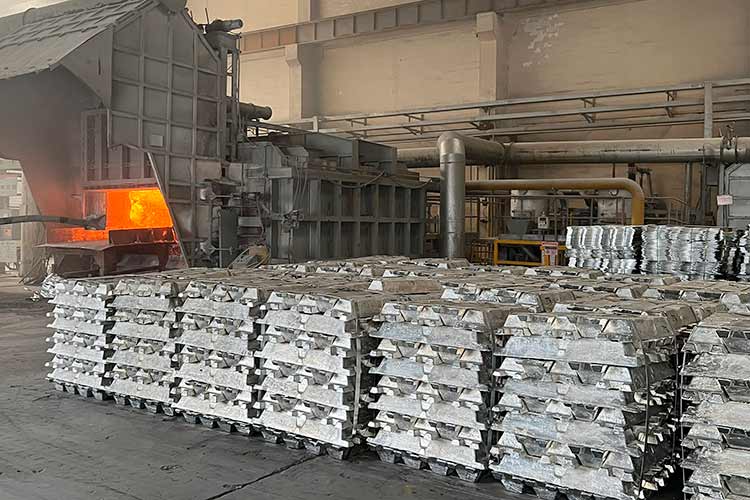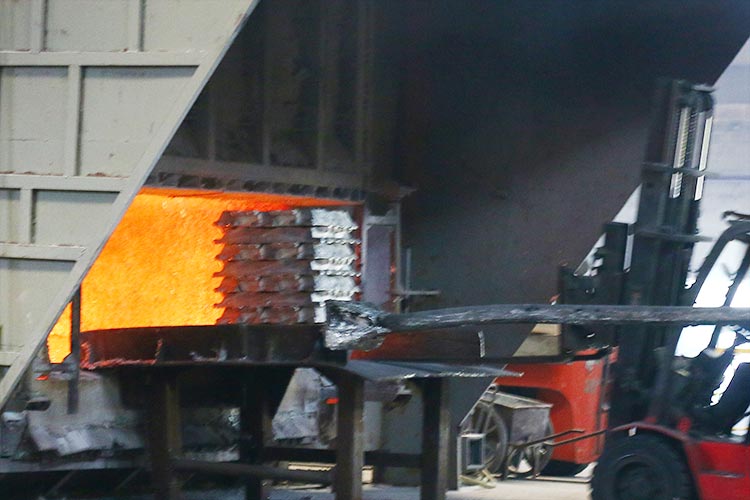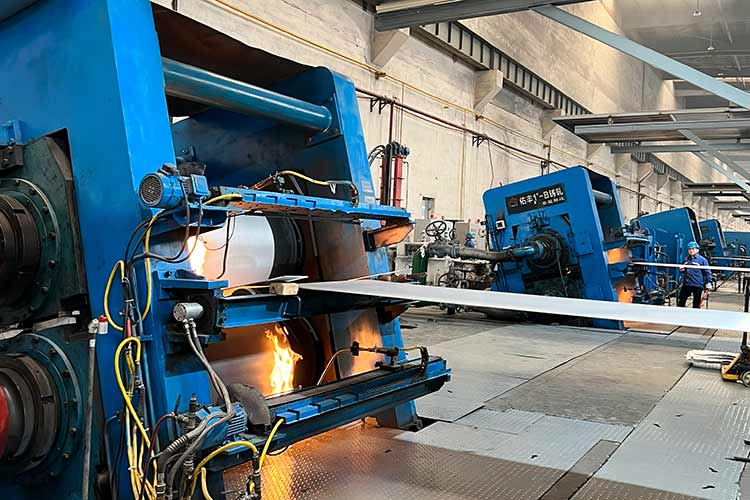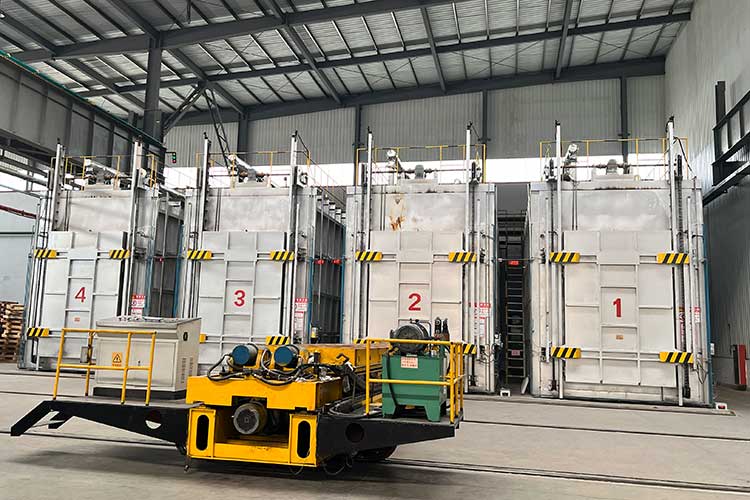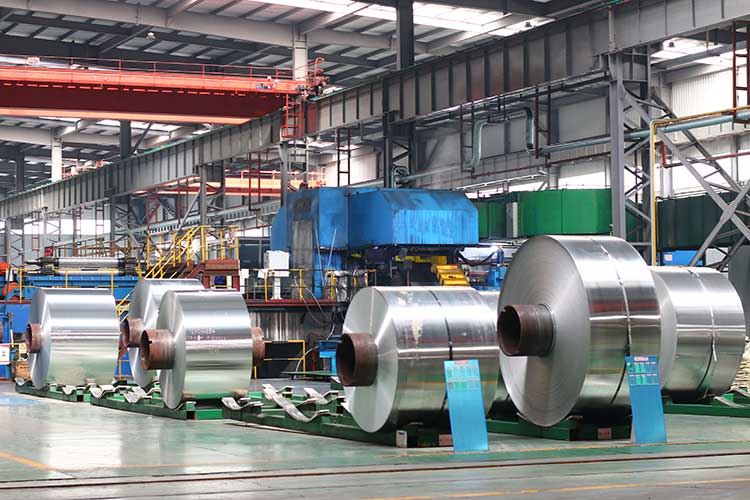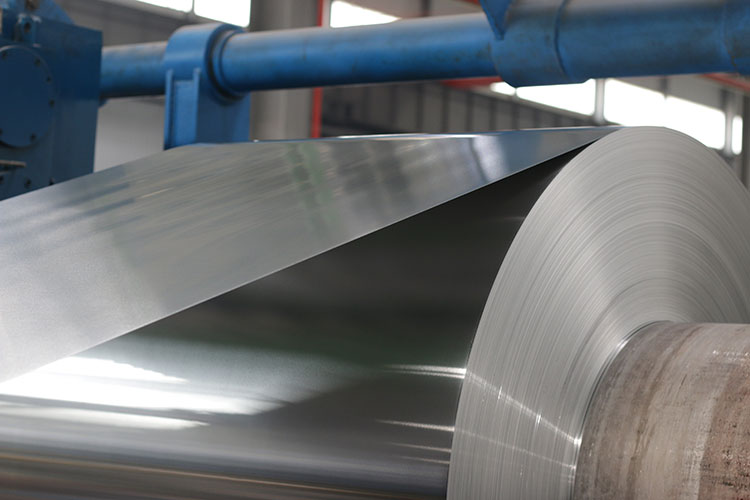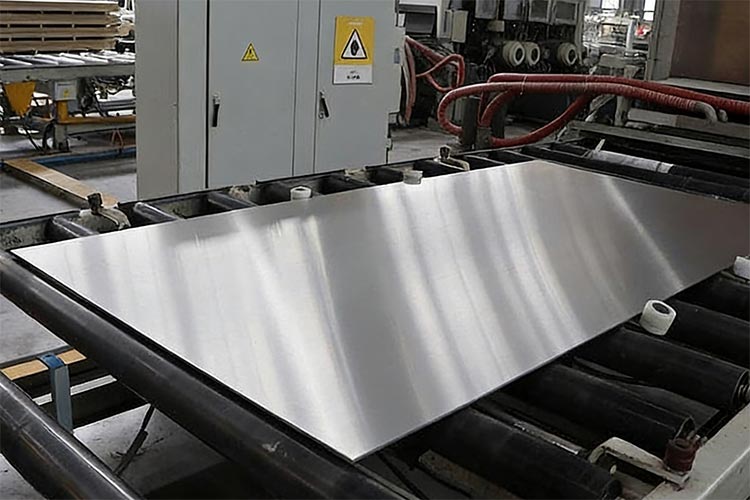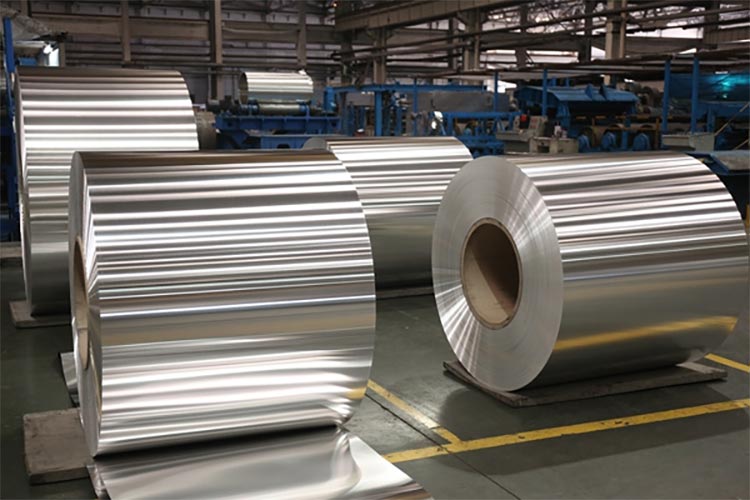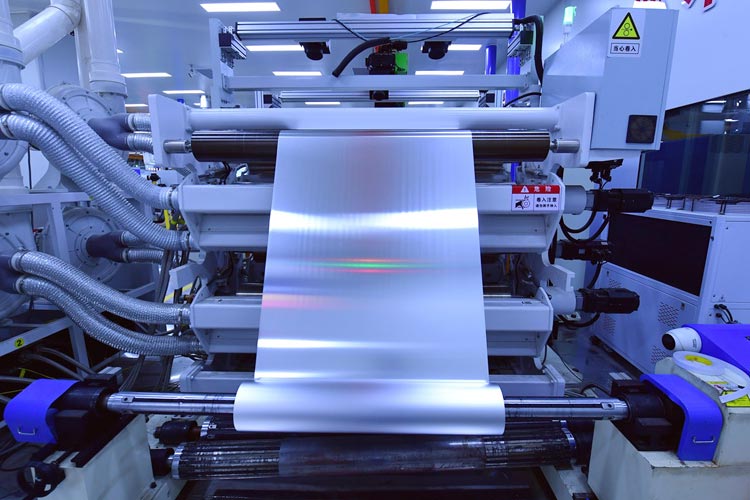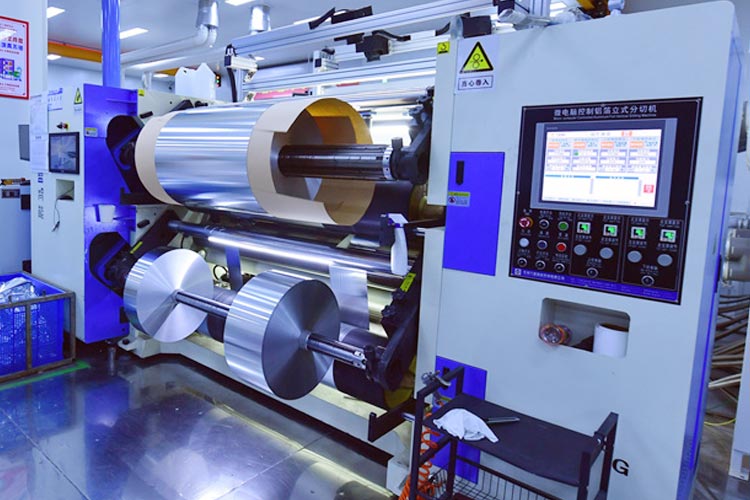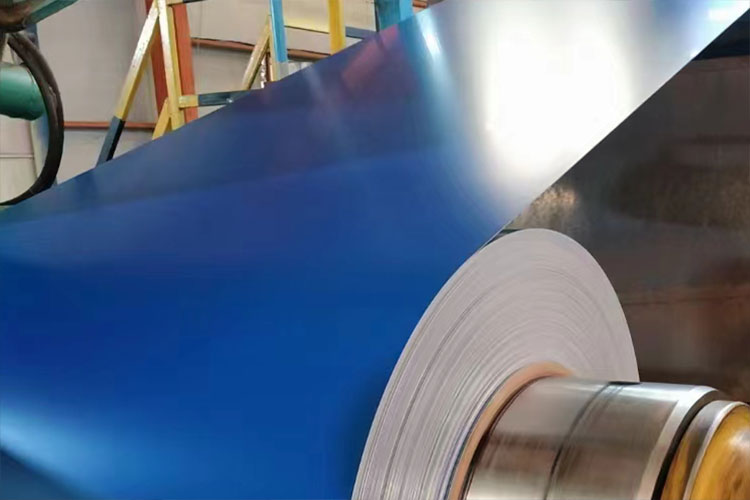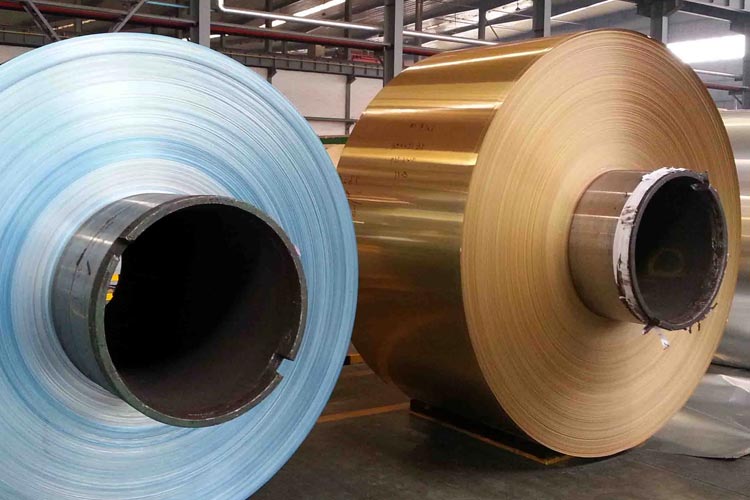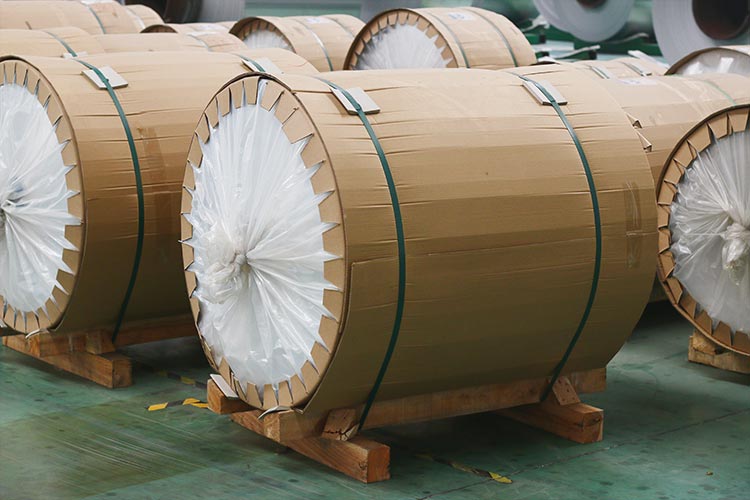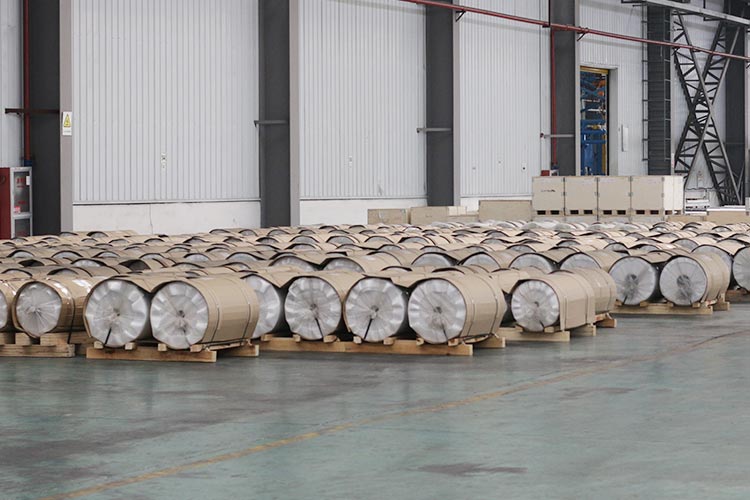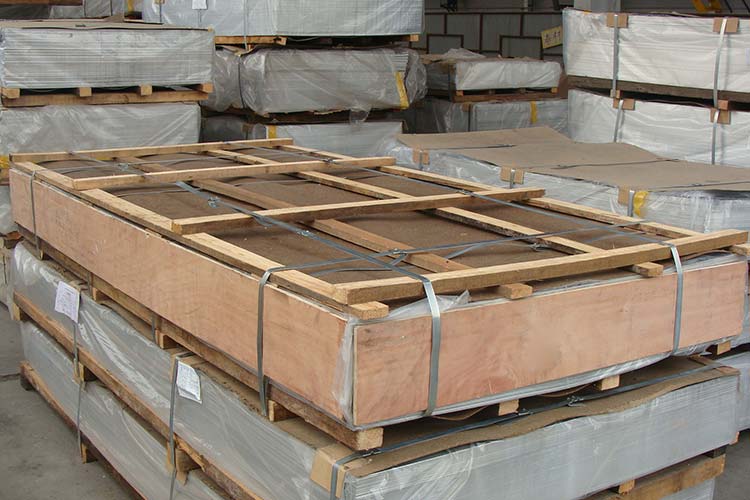
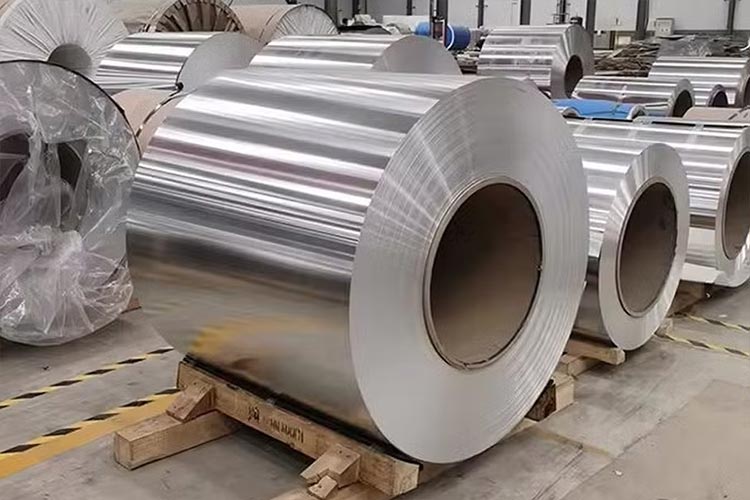
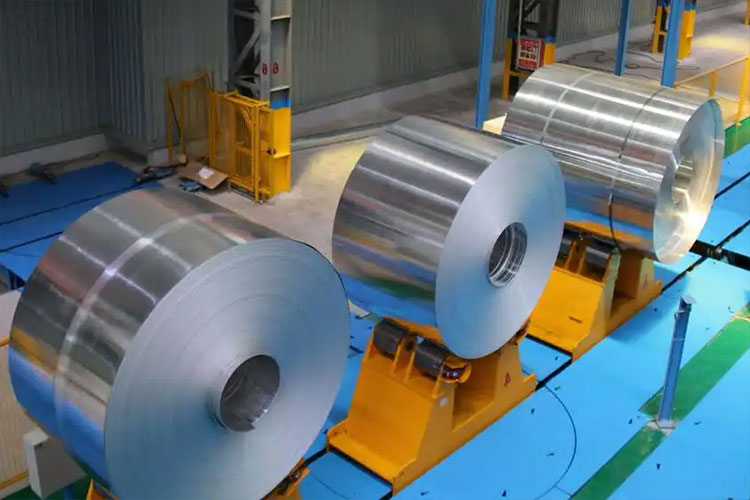
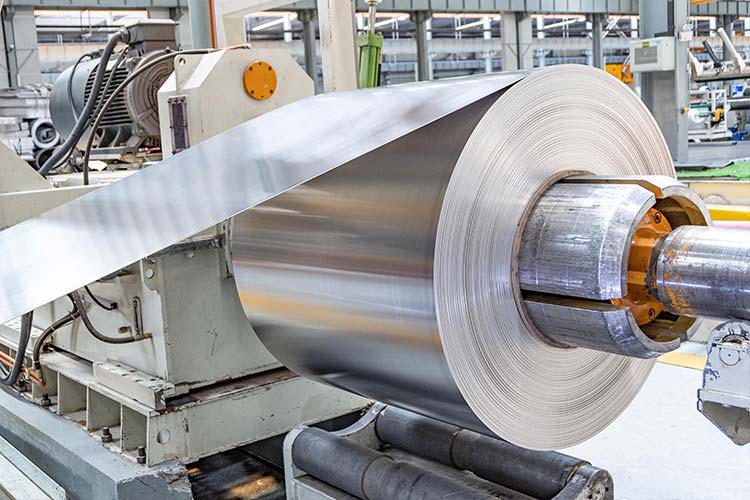
5052 aluminum coil belongs to the 5000 series aluminum-magnesium alloy, with magnesium (Mg) content of approximately 2.2 – 2.8% and aluminum content ≥ 97.0%. This alloy features excellent corrosion resistance, high strength, and good workability, especially suitable for marine and high-humidity environments. 5052 Aluminum Coil is easy to process, weld, and form, and is widely used in shipbuilding, transportation, construction, industrial equipment, and chemical equipment applications.
Description
Yutwin New Materials specializes in the production of aluminum coils and sheets in a wide range of alloys, grades, and specifications, offering stable quality, flexible customization, and reliable supply to meet the diverse needs of different industries.
Features
- Aluminum–magnesium alloy (Al–Mg)
Belongs to the 5xxx-series aluminum alloys, with magnesium as the main alloying element, providing excellent corrosion resistance and moderate-to-high strength.
- High corrosion resistance
Performs exceptionally well in marine, chemical, and industrial environments, ideal for outdoor and coastal applications.
- Medium-to-high mechanical strength
Stronger than 3000-series aluminum alloys, suitable for structural, load-bearing, and automotive applications.
- Good formability and workability
Can be rolled, bent, stamped, and deep-drawn, suitable for medium-to-thin gauge processing and complex shapes.
- Good thermal and electrical conductivity
Supports heat dissipation and moderate electrical applications.
- Smooth and uniform surface finish
Suitable for anodizing, painting, coating, embossing, or film lamination for decorative and functional purposes.
- Excellent weldability
Compatible with TIG, MIG, and spot welding, ensuring reliable fabrication.
- Lightweight material
Low density helps reduce overall weight while maintaining strength and durability.
Specifications
| Parameter | Description |
|---|---|
| Alloy | 5052 |
| Chemical Composition (%) | Al ≥ 97.0, Mg 2.2 – 2.8, Mn ≤ 0.10, Cu ≤ 0.10, Fe ≤ 0.40, Si ≤ 0.25, Zn ≤ 0.25, Ti ≤ 0.15, Others ≤ 0.15 |
| Temper | H32, H34, H112, O (Soft) |
| Thickness Range | 0.2 – 6.0 mm (customizable) |
| Width | Customizable (20 – 2000 mm) |
| Coil Weight | Customizable |
| Inner Diameter (ID) | 150 / 300 / 505 mm |
| Surface Finish | Mill Finish, Bright, Brushed, Coated, Film Laminated (optional) |
| Standard | ASTM B209 / EN AW-5052 / GB/T 3880 |
Common Aluminum Surface Treatments
Pulido
El pulido emplea métodos de abrasión mecánica, químicos o electroquímicos para mejorar la lisura y el brillo de las superficies de aluminio. El aluminio pulido presenta un acabado de alto brillo y una excelente apariencia decorativa.
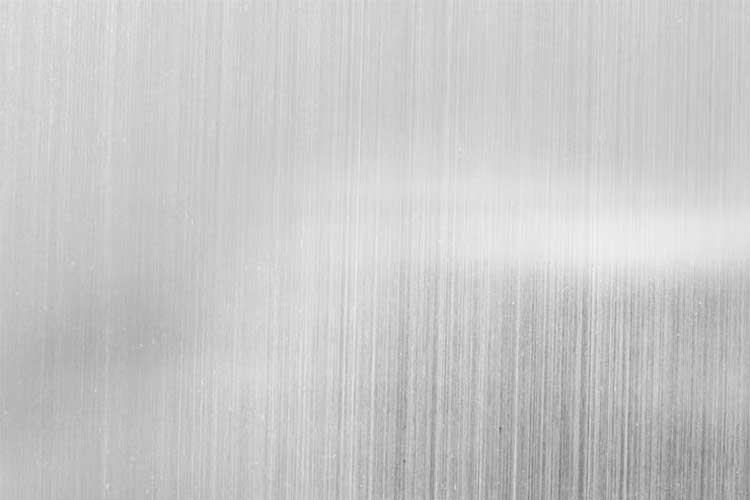
Cepillada
El cepillado es un proceso de tratamiento superficial que crea texturas finas y direccionales en el aluminio mediante el uso de bandas abrasivas o cepillos. La superficie cepillada ofrece un aspecto metálico refinado a la vez que ayuda a disimular los arañazos leves.
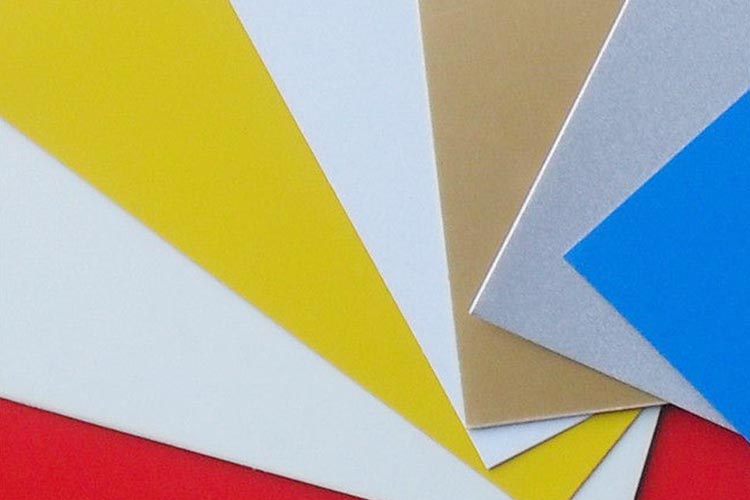
Revestimiento
El proceso de recubrimiento aplica una capa protectora sobre la superficie de aluminio mediante técnicas como el recubrimiento en polvo, la pulverización de pintura líquida u otros métodos. Este acabado proporciona una excelente resistencia a la intemperie, protección contra la corrosión y una amplia variedad de opciones de color. El aluminio recubierto combina un atractivo estético con una gran durabilidad a largo plazo.
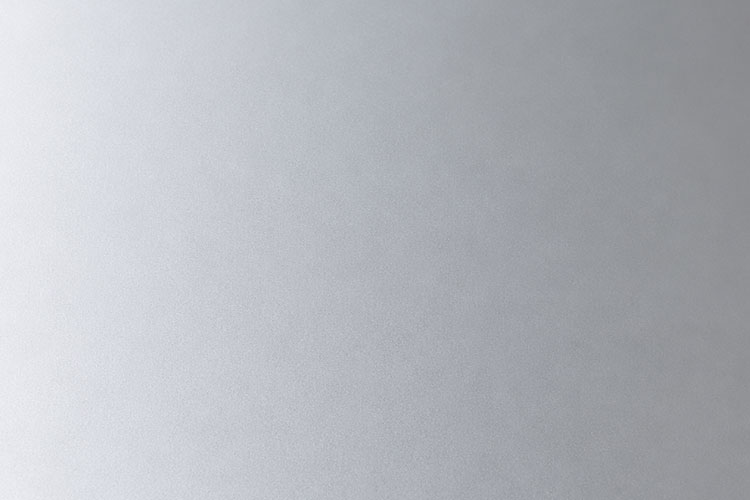
Anodizado
El anodizado es un proceso electroquímico que forma una capa densa de óxido en la superficie del aluminio, mejorando la resistencia a la corrosión, la resistencia al desgaste y la dureza superficial. La capa de óxido también puede teñirse para lograr diversos acabados.
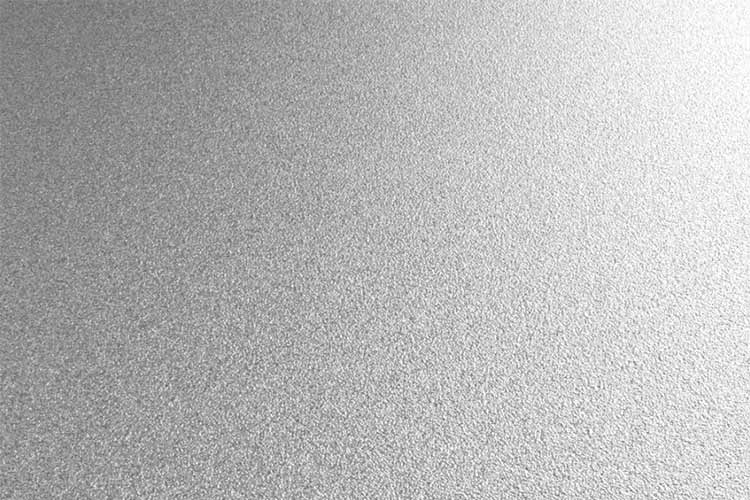
Chorro de arena
El granallado con arena utiliza partículas abrasivas a alta velocidad que impactan contra la superficie de aluminio, creando una textura mate uniforme. Este proceso proporciona un aspecto metálico suave, reduce las marcas de huellas dactilares y mejora la adherencia del recubrimiento para los procesos de acabado posteriores.
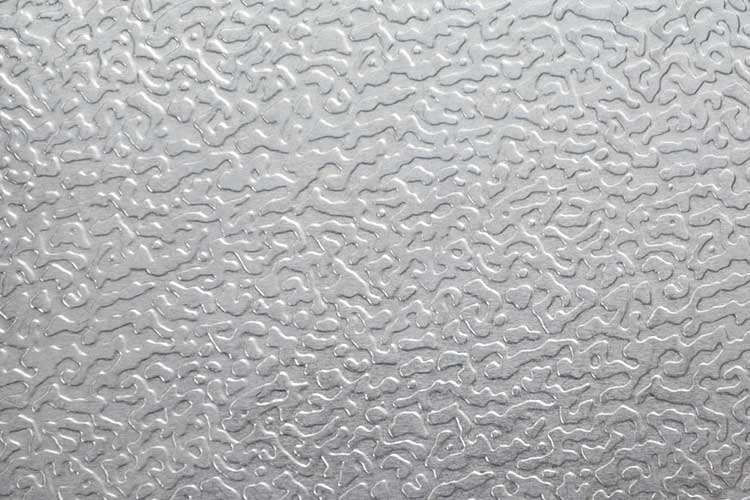
Realce
El estampado es un proceso que forma patrones elevados o empotrados en superficies de aluminio mediante laminado o estampado. Los patrones comunes incluyen texturas de estuco, diamantes y vetas de madera. El aluminio repujado ofrece excelentes efectos decorativos, resistencia al rayado y ciertas propiedades antideslizantes.
Applications
- Marine and shipbuilding applications
Widely used for hulls, decks, bulkheads, and other marine components due to excellent corrosion resistance in seawater.
- Automotive and transportation parts
Suitable for truck panels, bus bodies, trailers, and automotive structural components requiring moderate-to-high strength and corrosion resistance.
- Chemical and industrial equipment
Applied in tanks, containers, pressure vessels, and protective panels in chemical and industrial environments.
- Architectural and building applications
Used for roofing, wall cladding, curtain walls, ceiling panels, and decorative sheets where corrosion resistance is critical.
- Heat transfer and thermal applications
Suitable for heat exchangers, cooling fins, and other components requiring good thermal conductivity.
- General fabrication and forming
Ideal for bending, stamping, rolling, and deep-drawing of medium-to-thin gauge sheets for structural or decorative components.