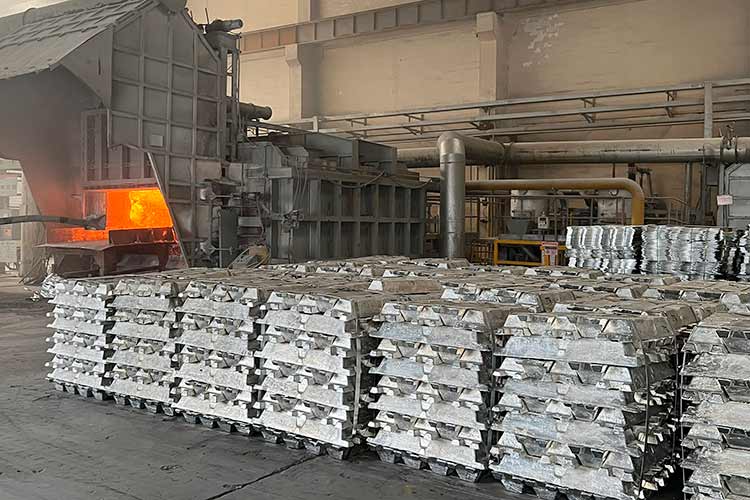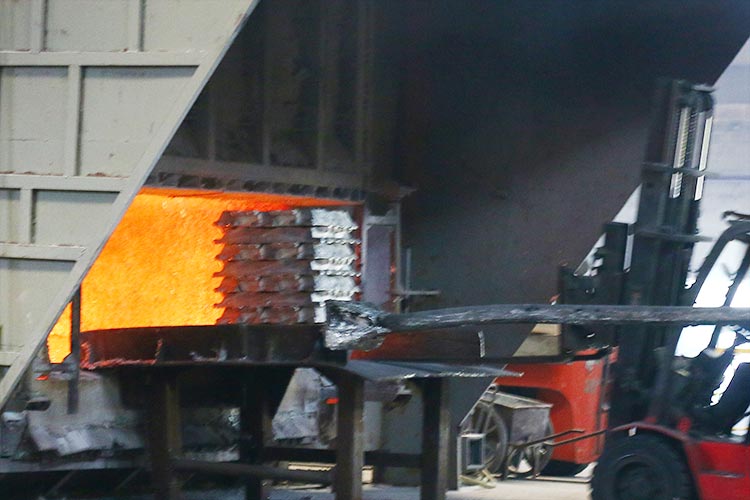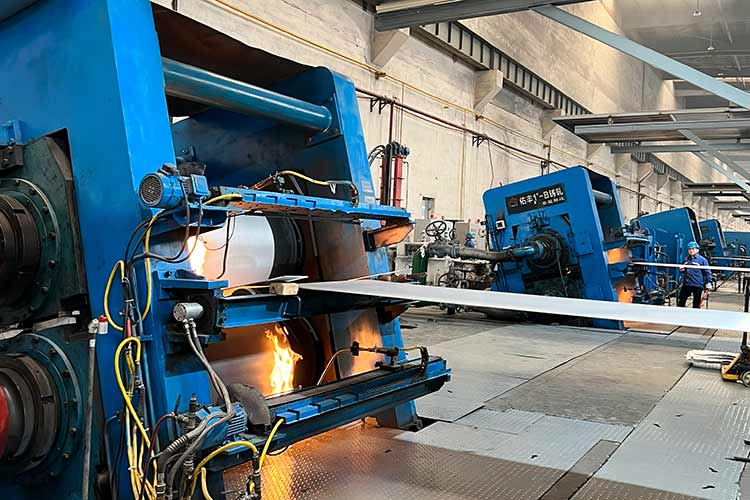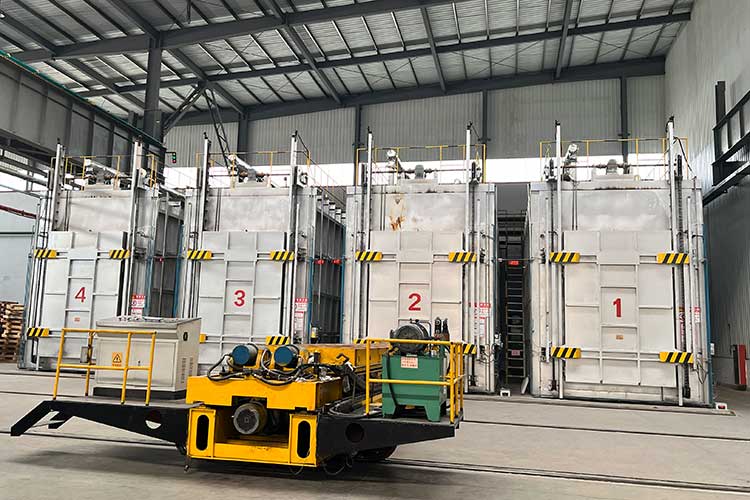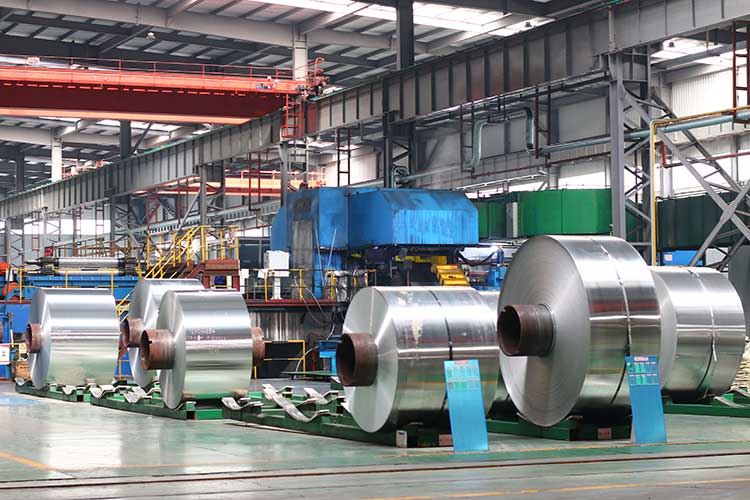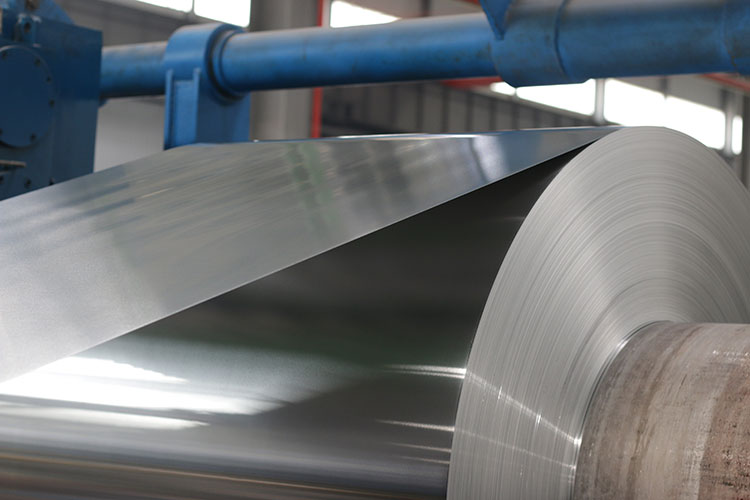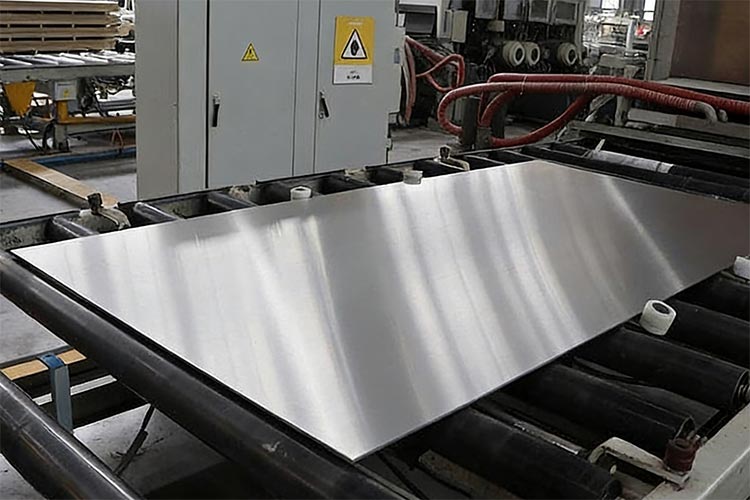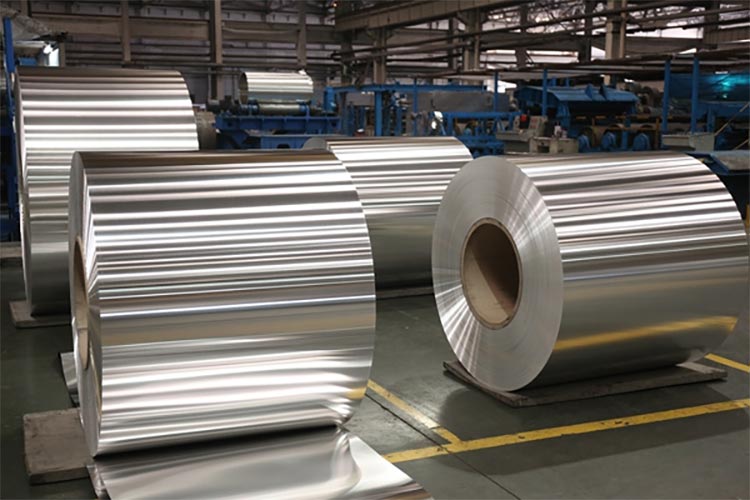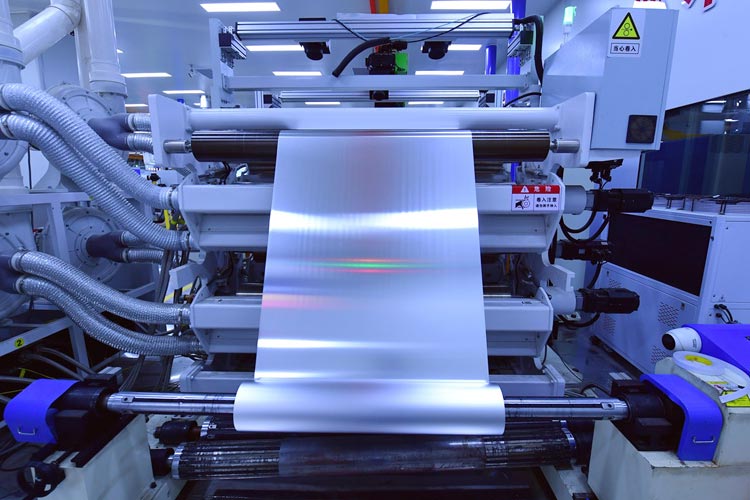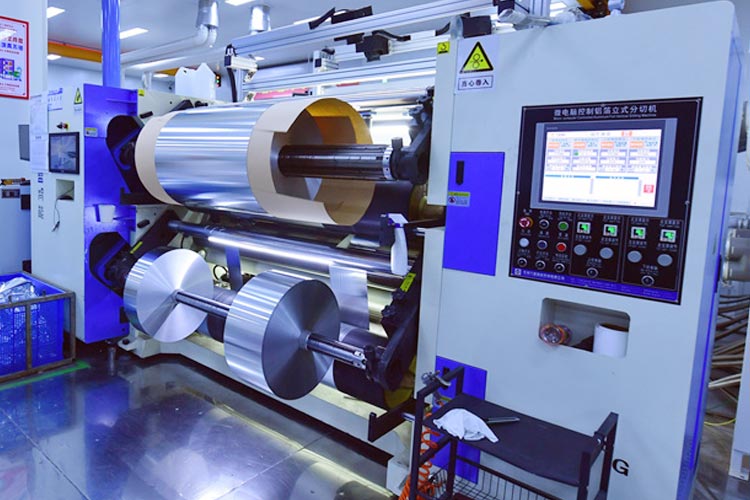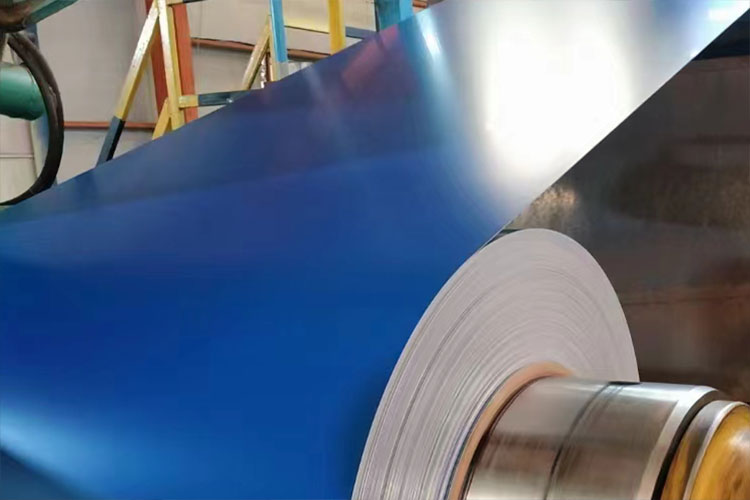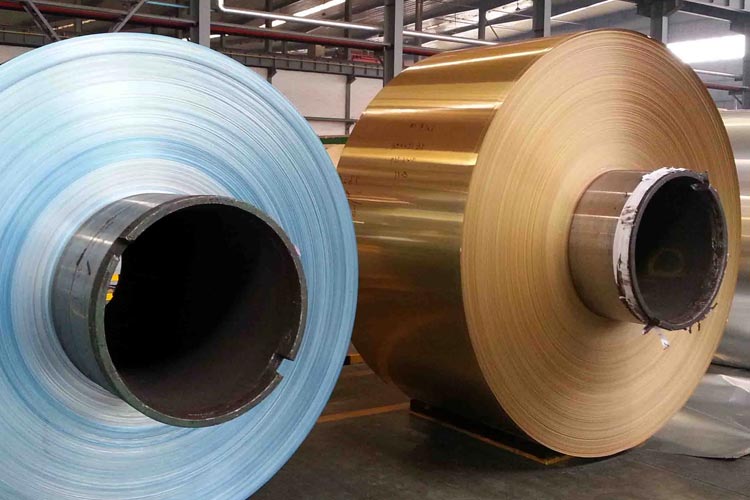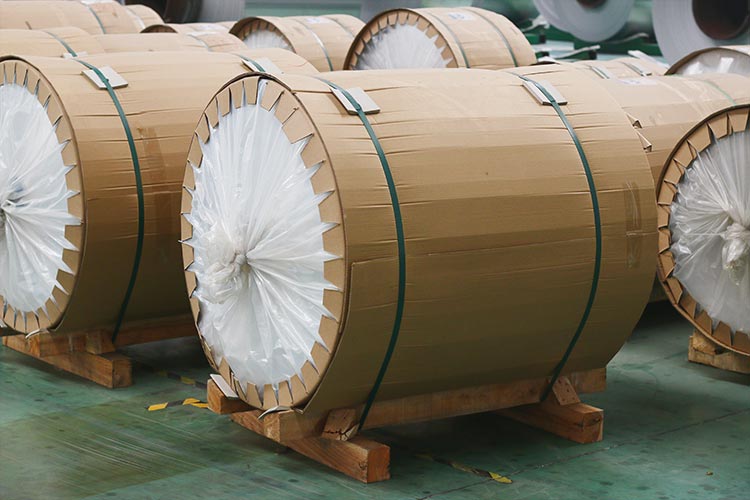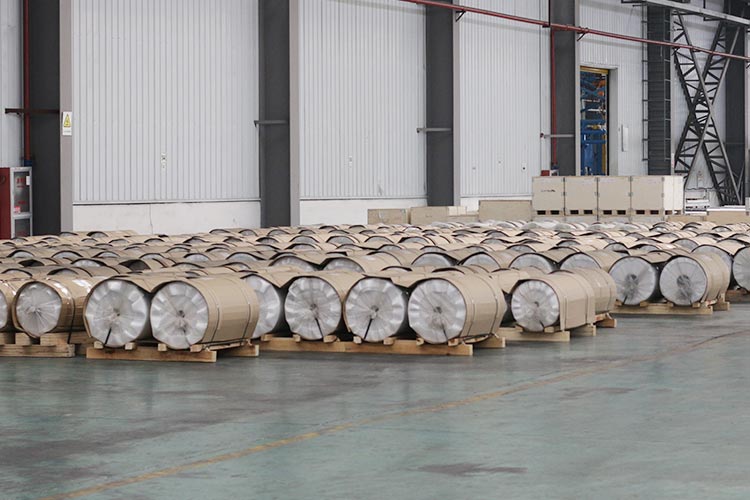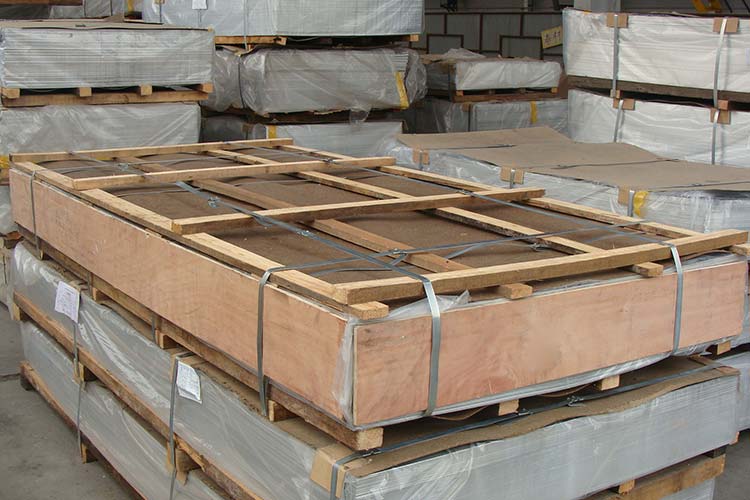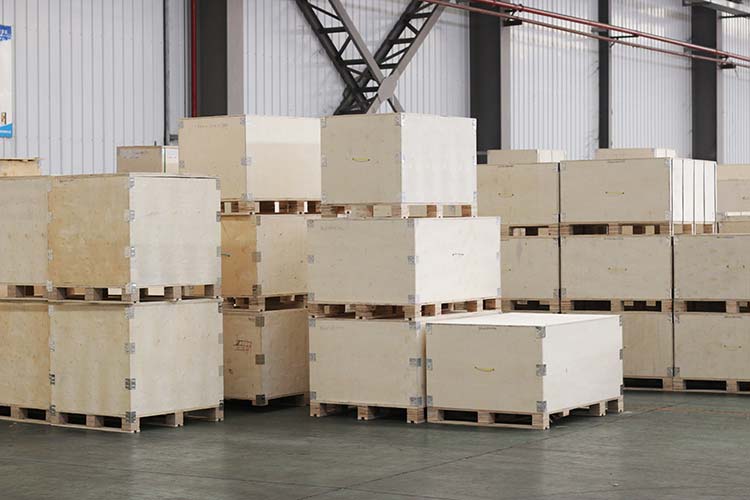
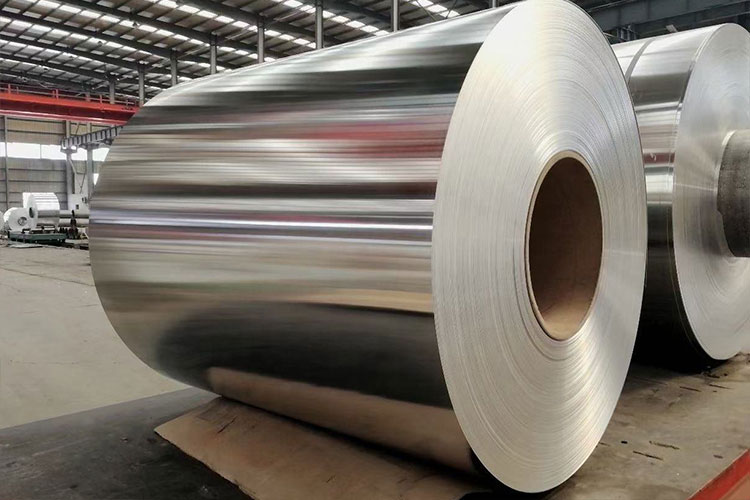
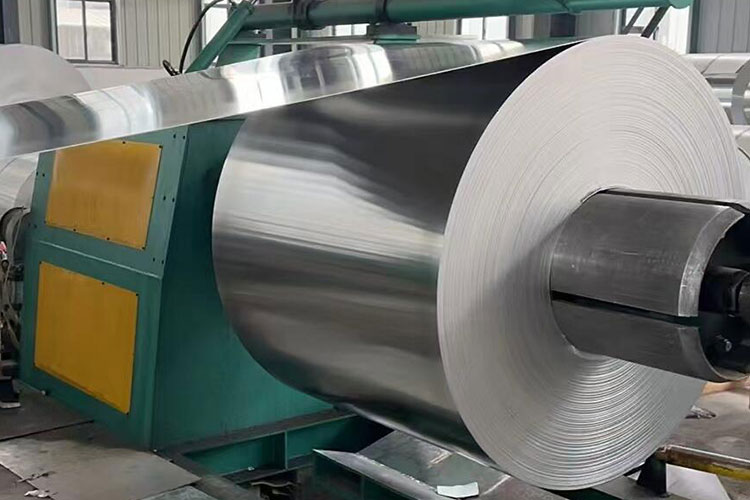
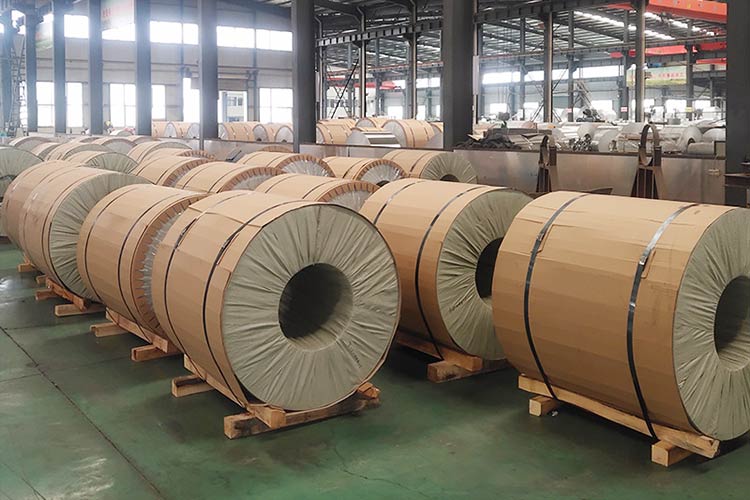
7178 aluminum coil is a high-strength aluminum–zinc–magnesium–copper alloy in the 7000 series. It offers ultra-high strength, good fatigue resistance, and reasonable corrosion resistance. It is mainly used in aerospace, transportation, and high-performance engineering applications where strength is critical.
Description
Yutwin New Materials specializes in the production of aluminum coils and sheets in a wide range of alloys, grades, and specifications, offering stable quality, flexible customization, and reliable supply to meet the diverse needs of different industries.
Features
- Very high mechanical strength
Stronger than 7075 and 7050, suitable for aerospace, military, and high-load structural applications.
- Good corrosion resistance
Provides excellent resistance to atmospheric corrosion; enhanced corrosion resistance can be achieved with proper heat treatment and coating.
- Good formability and workability
Can be rolled, bent, stamped, and extruded for medium-to-thin gauge applications.
- Lightweight material
Low density helps reduce overall weight while maintaining structural integrity.
- Smooth and uniform surface finish
Ideal for anodizing, painting, coating, or film lamination for both decorative and functional purposes.
- Good weldability
Compatible with TIG and MIG welding under p
Specifications
| Item | Specification |
|---|---|
| Alloy / Grade | 7178 |
| Chemical Composition (%) | Al ≥ 87.5, Zn 5.6–6.6, Mg 2.0–2.5, Cu 1.0–1.6, Cr 0.18–0.25, Ti ≤ 0.15, Fe ≤ 0.5, Si ≤ 0.4, Others ≤ 0.05 |
| Series | 7000 Series (Al-Zn-Mg-Cu Alloy) |
| Temper | T6, T73, T76 |
| Thickness (mm) | 2 – 100 |
| Width (mm) | 500 – 2500 |
| Length (mm) | 1000 – 12000 (Customizable) |
| Surface Finish | Mill Finish, Anodized, Painted |
| Standard | GB/T 3880, ASTM B209, EN AW-7178 |
Common Aluminum Surface Treatments

Pulido
El pulido emplea métodos de abrasión mecánica, químicos o electroquímicos para mejorar la lisura y el brillo de las superficies de aluminio. El aluminio pulido presenta un acabado de alto brillo y una excelente apariencia decorativa.
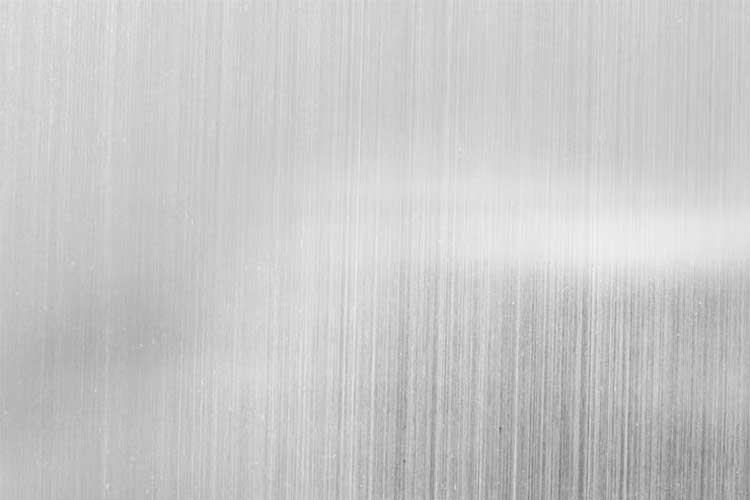
Cepillada
El cepillado es un proceso de tratamiento superficial que crea texturas finas y direccionales en el aluminio mediante el uso de bandas abrasivas o cepillos. La superficie cepillada ofrece un aspecto metálico refinado a la vez que ayuda a disimular los arañazos leves.
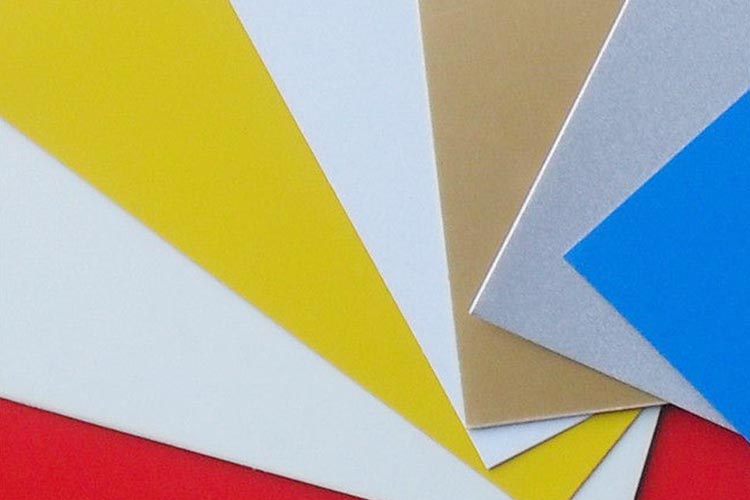
Revestimiento
El proceso de recubrimiento aplica una capa protectora sobre la superficie de aluminio mediante técnicas como el recubrimiento en polvo, la pulverización de pintura líquida u otros métodos. Este acabado proporciona una excelente resistencia a la intemperie, protección contra la corrosión y una amplia variedad de opciones de color. El aluminio recubierto combina un atractivo estético con una gran durabilidad a largo plazo.
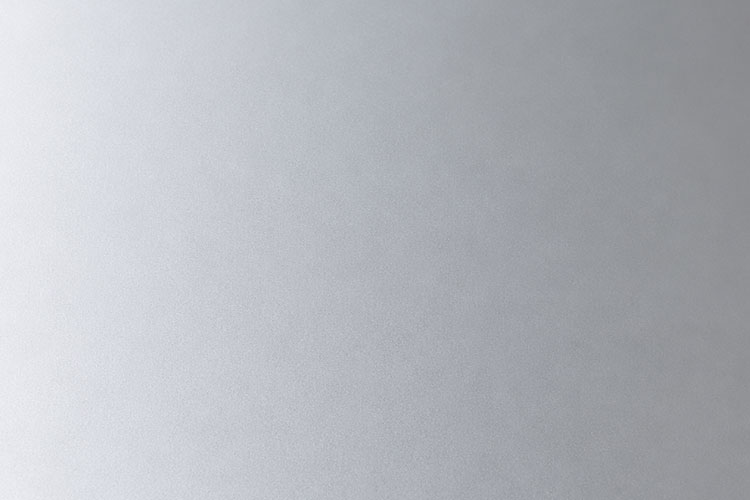
Anodizado
El anodizado es un proceso electroquímico que forma una capa densa de óxido en la superficie del aluminio, mejorando la resistencia a la corrosión, la resistencia al desgaste y la dureza superficial. La capa de óxido también puede teñirse para lograr diversos acabados.
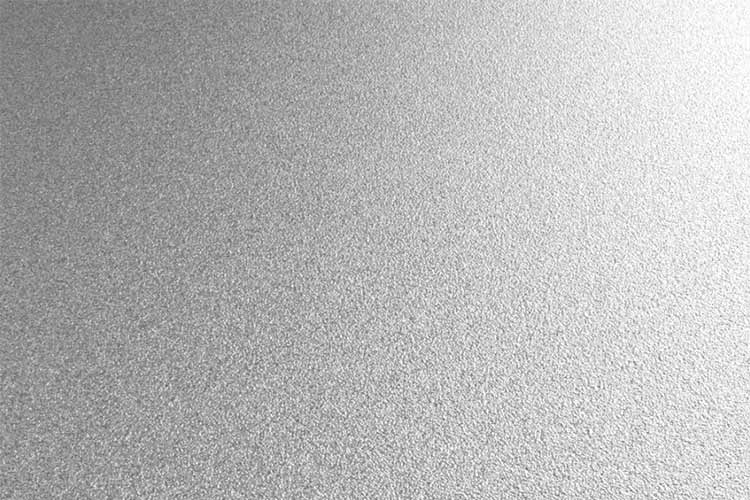
Chorro de arena
El granallado con arena utiliza partículas abrasivas a alta velocidad que impactan contra la superficie de aluminio, creando una textura mate uniforme. Este proceso proporciona un aspecto metálico suave, reduce las marcas de huellas dactilares y mejora la adherencia del recubrimiento para los procesos de acabado posteriores.
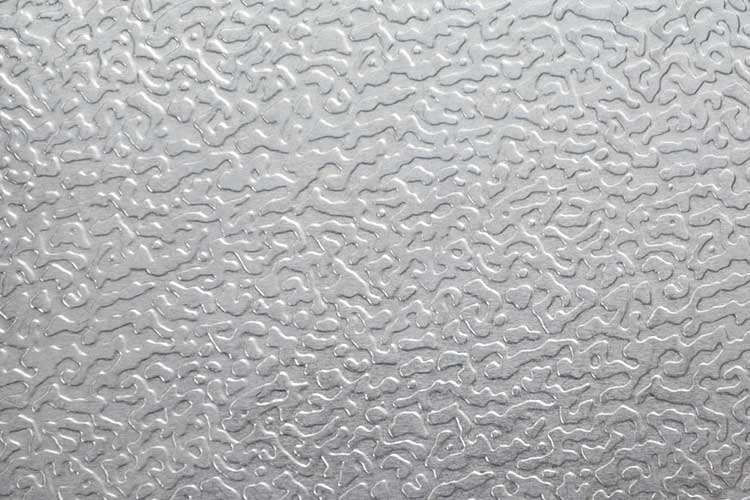
Realce
El estampado es un proceso que forma patrones elevados o empotrados en superficies de aluminio mediante laminado o estampado. Los patrones comunes incluyen texturas de estuco, diamantes y vetas de madera. El aluminio repujado ofrece excelentes efectos decorativos, resistencia al rayado y ciertas propiedades antideslizantes.
Applications
- Aerospace and aviation components
Widely used in aircraft fuselage, wings, landing gear, and other critical structural components due to ultra-high strength and excellent fatigue resistance.
- Military and defense applications
Suitable for armored vehicles, military aircraft, missile components, and other high-strength defense structures.
- Transportation and automotive parts
Applied in high-load structural parts of trucks, buses, and high-performance vehicles where strength-to-weight ratio is critical.
- Structural engineering
Used for bridges, cranes, and other load-bearing structures requiring very high mechanical strength and lightweight material.
- Marine applications
Suitable for ship and boat structures where high strength and moderate corrosion resistance are required.
- General fabrication and forming
Ideal for rolling, stamping, bending, and extrusion of medium-to-thin gauge sheets for structural or functional purposes.