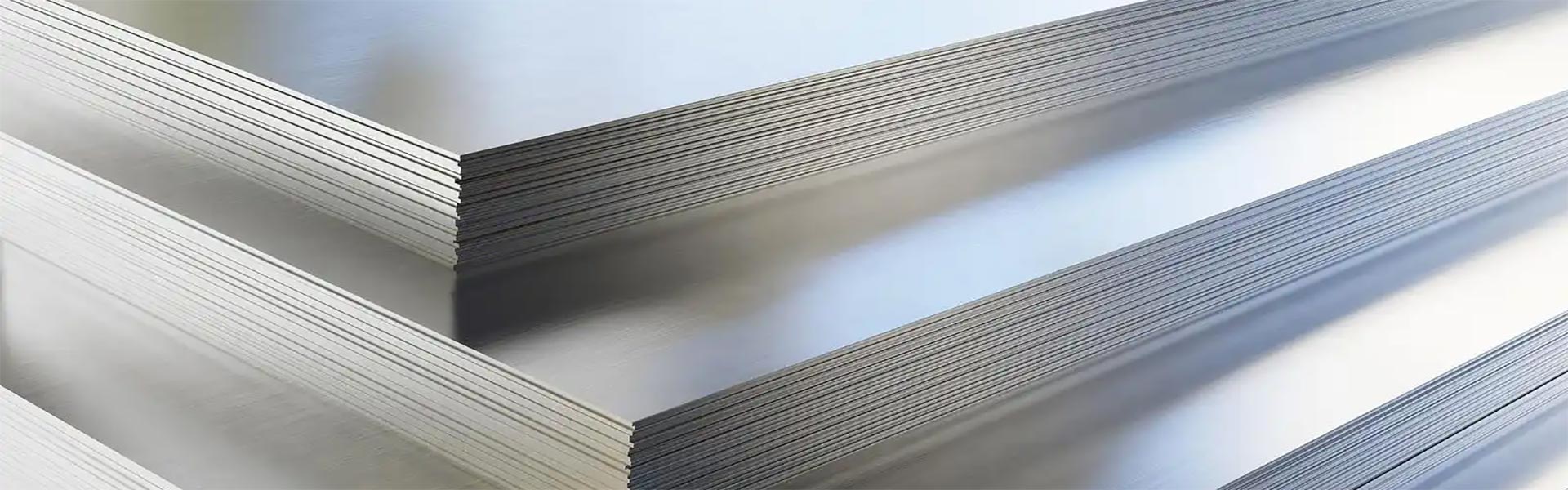
Láminas de aluminio
El experto chino en materiales de aluminio
Nuevos materiales de Yutwin
Nuevos materiales de Yutwin está especializada en la producción de láminas y bobinas de aluminio en una amplia gama de aleaciones, grados y especificaciones, ofreciendo calidad estable, personalización flexible y un suministro fiable para satisfacer las diversas necesidades de diferentes industrias. Mira en YouTube
Especificaciones
| Punto | Especificaciones |
|---|---|
| Grosor | 0,2 – 6,0 mm (Personalizable: 0,1 – 12,0 mm) |
| Anchura | 100 – 2600 mm; Ancho de la tira de rendija: 10 – 600 mm |
| Aleación / Grado | Serie 1000: 1050, 1060, 1070, 1100, 1235, 1145, 1200, 1230, 1350. Serie 2000: 2024, 2A11, 2A12, 2A14, 2A17. Serie 3000: 3003, 3004, 3005, 3104, 3105, 3A21, 3A22. Serie 5000: 5005, 5052, 5056, 5083, 5086, 5182, 5454, 5754, 5059, 5A02, 5A03, 5A05, 5A06. Serie 6000: 6061, 6082, 6062, 6063, 6101, 6016, 6022, 6060, 6005. Serie 7000: 7005, 7A04, 7A09, 7050, 7075. Serie 8000: 8011. |
| Temperamento | O, H12, H14, H16, H18, H19, H22, H24, H26, T4, T5, T6 |
| Forma | Bobina / Lámina / Tira |
| Acabado superficial | Acabado de molino BrightFinish Anodizado en relieve pintado con cepillo |
| Película protectora | PE / PVC (opcional) |
| Diámetro interior | 508 mm / 610 mm |
| Estándar | ASTM B209, EN 485, JIS, GB |
Forma del producto
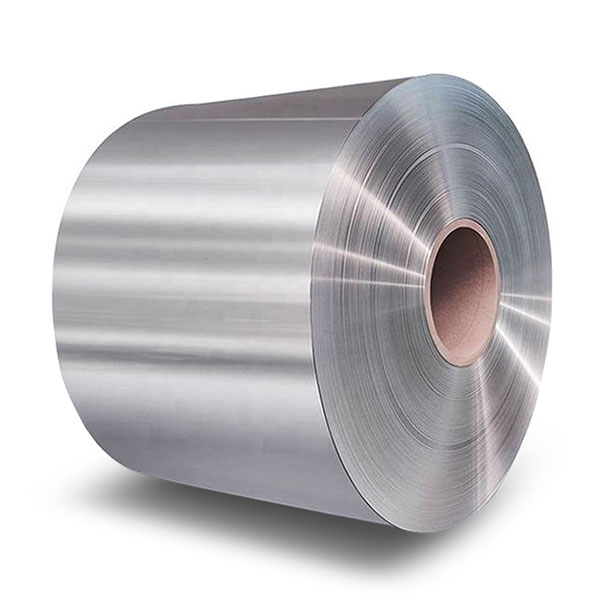
Bobina
Ancho: 600-2600mm
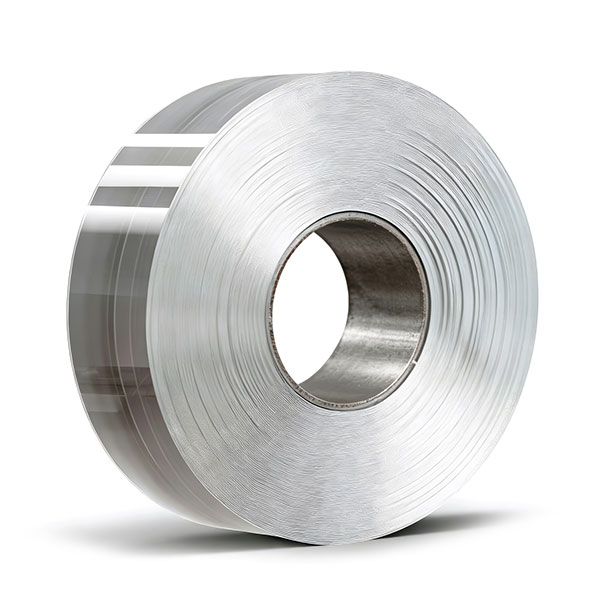
Strip
Ancho: 10-600mm
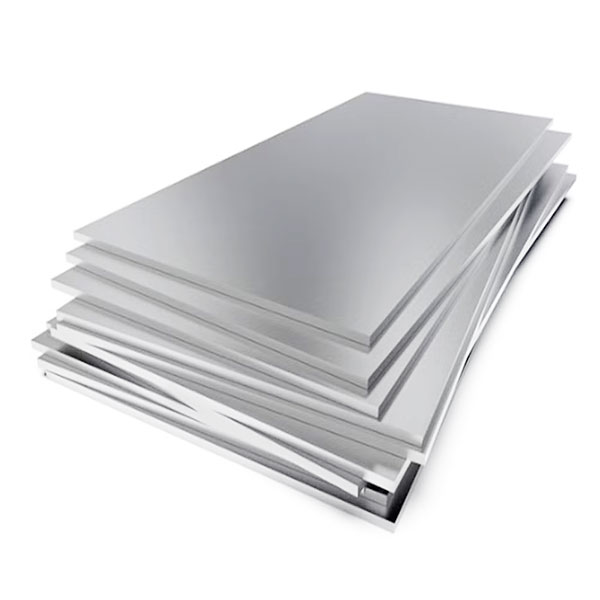
Lámina / Placa
Longitud: 2000-6000mm
Grados de chapa de aluminio
Serie 1xxx
(Aluminio puro)
- Alta pureza de aluminio (≥99,0%).
- Excelente conductividad eléctrica y térmica.
- Resistencia a la corrosión excepcional.
- Temperado blando con excelente flexibilidad y ductilidad.
- Fácil de formar, doblar y dibujar.
- Buen acabado superficial y excelente reflectividad.
Serie 2xxx
(Aleación Al–Cu)
- Alta resistencia debido a la aleación de cobre.
- Buena resistencia a la fatiga y rendimiento mecánico.
- Rendimiento excelente a temperaturas elevadas.
- Buena mecanizabilidad y formabilidad bajo condiciones controladas.
- Resistencia moderada a la corrosión (a menudo se requiere tratamiento superficial).
Serie 3xxx
(Aleación Al–Mn)
- Buena resistencia a la corrosión en ambientes atmosféricos y marinos.
- Resistencia moderada con excelente formabilidad y ductilidad.
- Fácil de enrollar, doblar y dibujar en varias formas.
- Buena soldabilidad y soldabilidad.
- Rendimiento estable para un servicio a largo plazo.
Serie 5xxx
(Aleación Al–Mg)
- Excelente resistencia a la corrosión, especialmente en ambientes marinos y húmedos.
- Alta resistencia manteniendo buena ductilidad y formabilidad.
- Buena soldabilidad y maniobrabilidad para diversas aplicaciones.
- Resistente a las grietas por corrosión por tensión.
- Estabilidad dimensional a largo plazo y rendimiento fiable.
Serie 6xxx
(aleación Al–Mg–Si)
- Buena resistencia a la corrosión con excelentes propiedades mecánicas.
- Resistencia media a alta con buena formabilidad y mecanizabilidad.
- Excelente acabado superficial para aplicaciones arquitectónicas e industriales.
- Rendimiento estable para un servicio a largo plazo.
- Puede anodizarse o recubrirse para mejorar la durabilidad y la estética.
Serie 7xxx
(aleación Al–Zn–Mg)
- Muy alta resistencia con un rendimiento mecánico excelente.
- Buena resistencia a la fatiga para aplicaciones exigentes.
- Resistencia moderada a la corrosión (a menudo se recomienda el tratamiento superficial).
- Buena mecanizabilidad y formabilidad bajo condiciones controladas.
- Ideal para aplicaciones que requieren material ligero pero resistente.
Serie 8xxx
(aleación Al–Fe/Si)
- Excelente resistencia a la corrosión en entornos generales.
- Buena estabilidad dimensional y rigidez.
- Fuerza moderada con buena formabilidad.
- Resistente al calor y a la luz, ideal para envases y aplicaciones industriales.
- Solución rentable para la producción a gran escala.
Procesos de tratamiento superficial
Tras someterse a un tratamiento superficial, el aluminio no solo adquiere una mejor calidad estética, sino que también adquiere una mayor resistencia a la corrosión, resistencia al desgaste, resistencia a la oxidación y propiedades decorativas, permitiendo así una gama más amplia de aplicaciones.

Pulido / Espejo
El pulido utiliza rectificado mecánico, métodos químicos o electroquímicos para mejorar la suavidad y el brillo de las superficies de aluminio. El aluminio pulido presenta un acabado de alto brillo y una excelente apariencia decorativa.
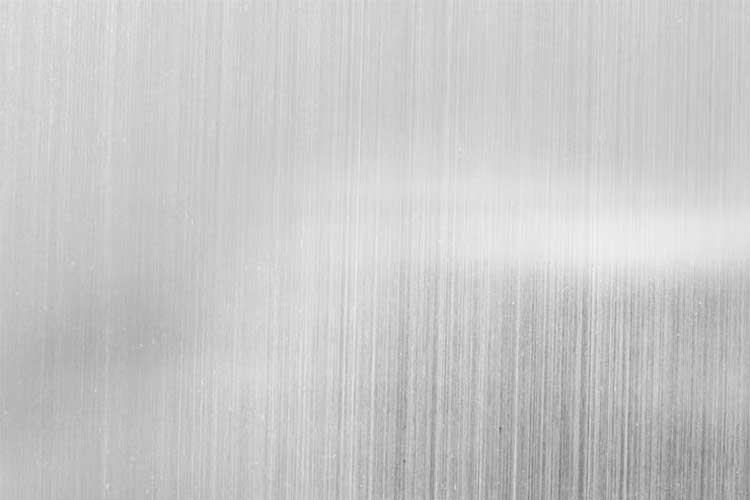
Cepillado
El cepillado es un proceso de tratamiento superficial que crea texturas finas y direccionales sobre aluminio utilizando cintas abrasivas o cepillos. La superficie cepillada proporciona un aspecto metálico refinado mientras ayuda a ocultar pequeños arañazos.
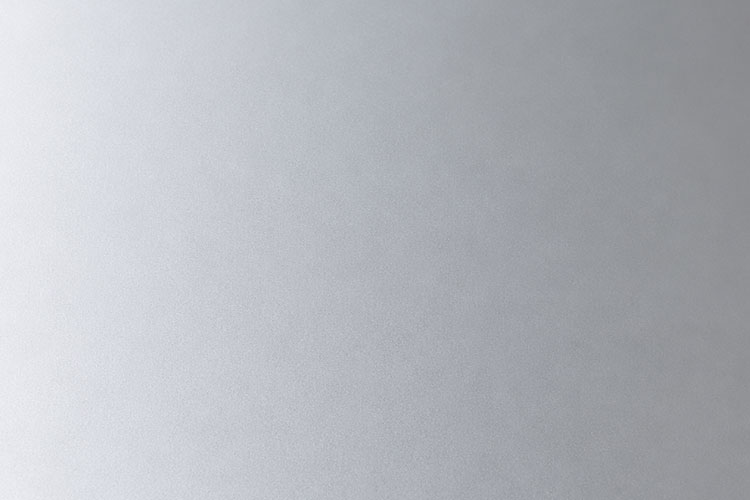
Anodización
La anodización es un proceso electroquímico que forma una capa densa de óxido sobre la superficie de aluminio, mejorando la resistencia a la corrosión, el desgaste y la dureza superficial. La capa de óxido también puede colorearse para conseguir varios acabados.
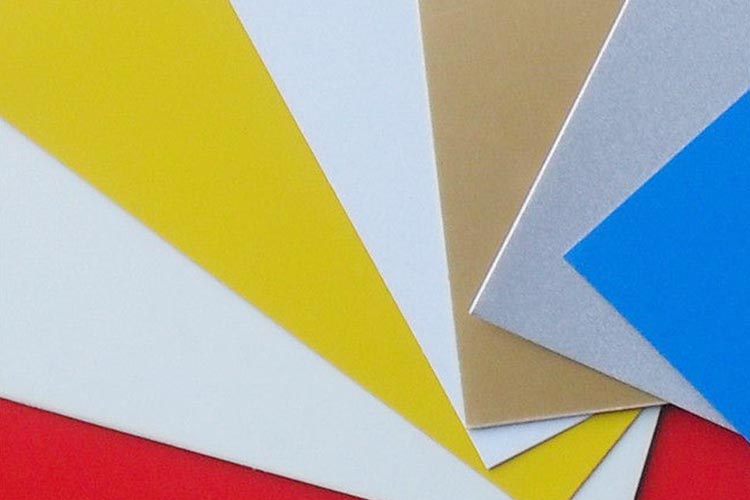
Recubrimiento / Pintura
El recubrimiento aplica un recubrimiento protector sobre la superficie de aluminio mediante recubrimiento en polvo, pulverización líquida u otros métodos de recubrimiento. Ofrece una excelente resistencia a la intemperie, protección contra la corrosión y una amplia gama de opciones de color. El aluminio recubierto ofrece tanto un atractivo decorativo como una durabilidad a largo plazo.
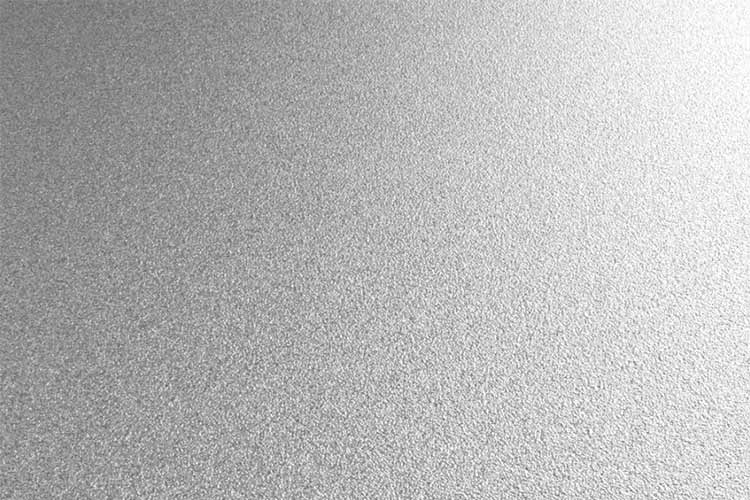
Chorro de arena
El chorro de arena utiliza partículas abrasivas de alta velocidad para impactar la superficie de aluminio, creando una textura mate uniforme. Este proceso proporciona una apariencia metálica suave, reduce las marcas de huellas dactilares y mejora la adhesión del recubrimiento para procesos de acabado posteriores.
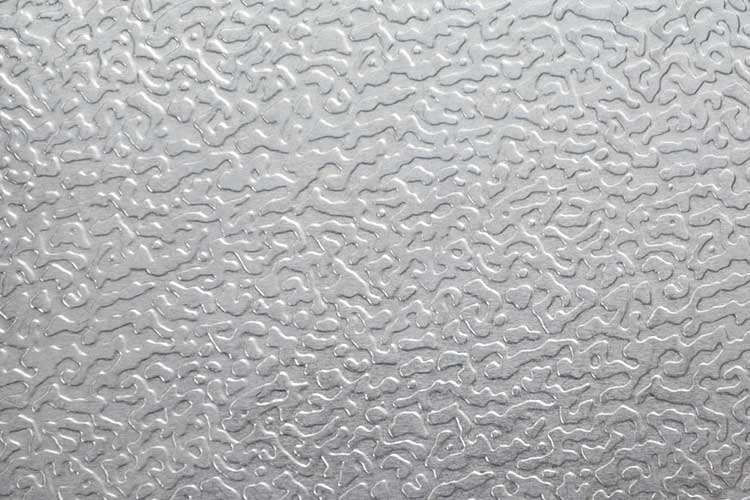
Estampado
El relieve es un proceso que forma patrones en relieve o empotrados sobre superficies de aluminio mediante laminado o estampado. Los patrones comunes incluyen estuco, diamante y texturas de vetas de madera. El aluminio en relieve ofrece excelentes efectos decorativos, resistencia a los arañazos y ciertas propiedades antideslizantes.
Industrias de aplicación de la lámina de aluminio
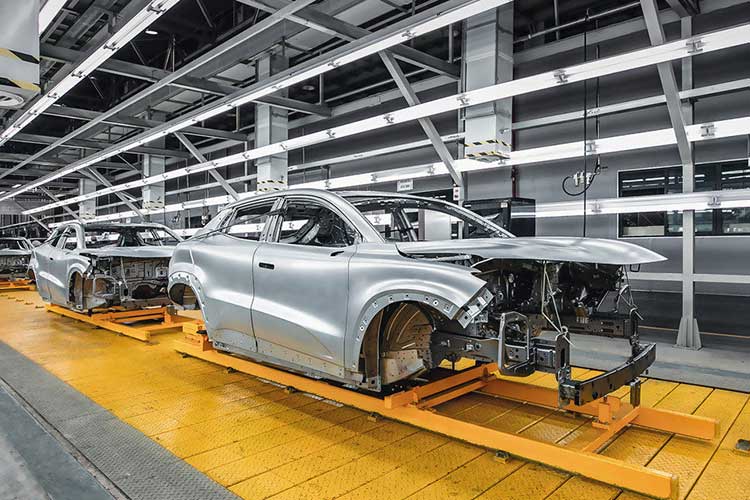
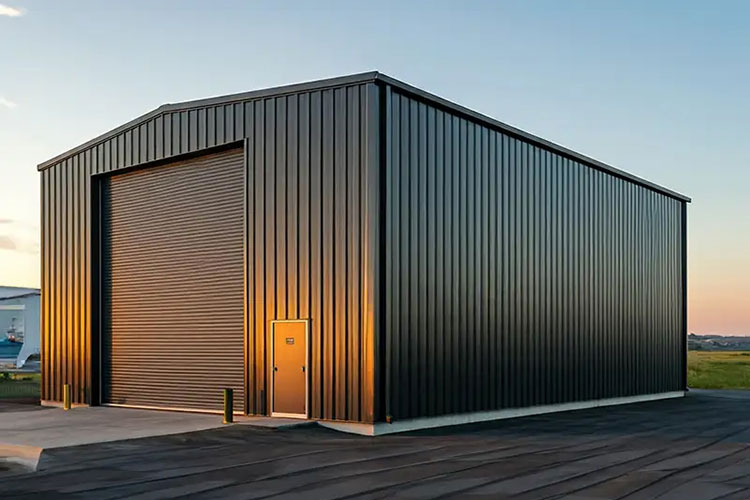
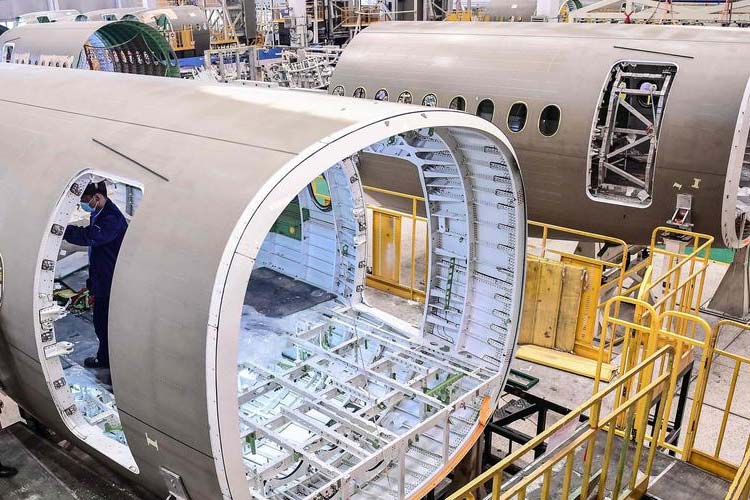
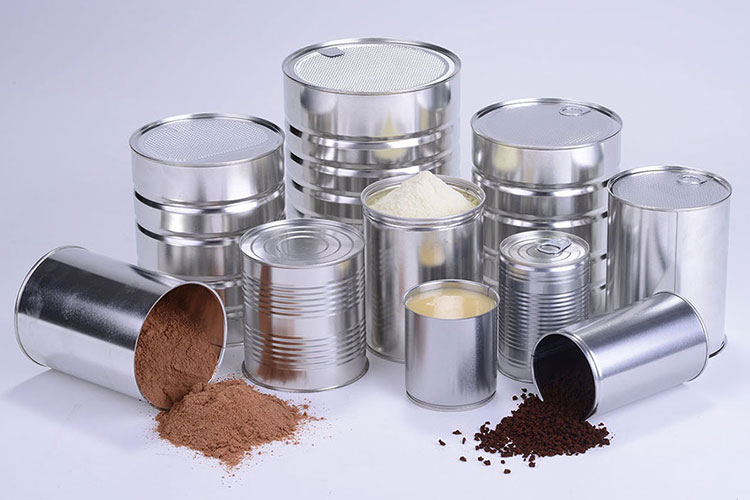
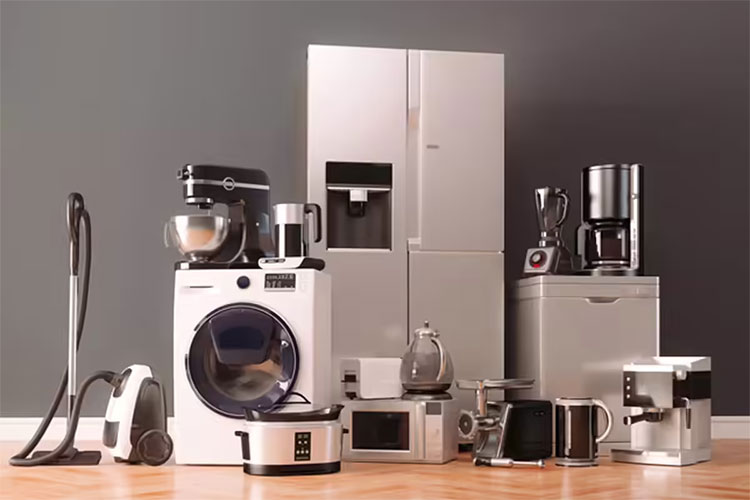
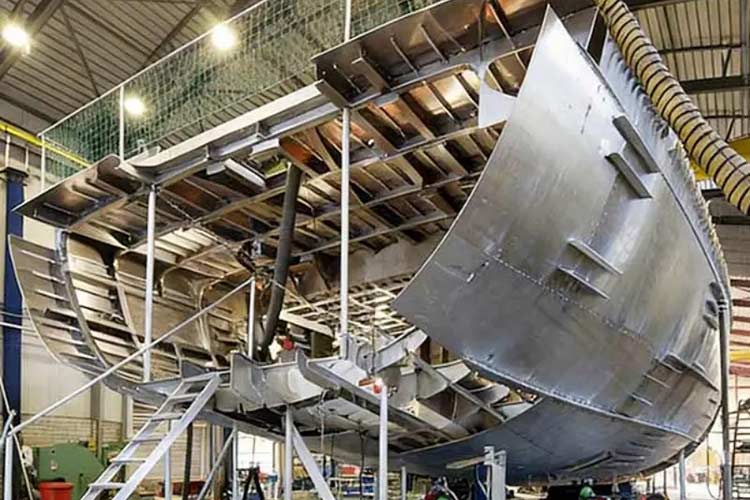
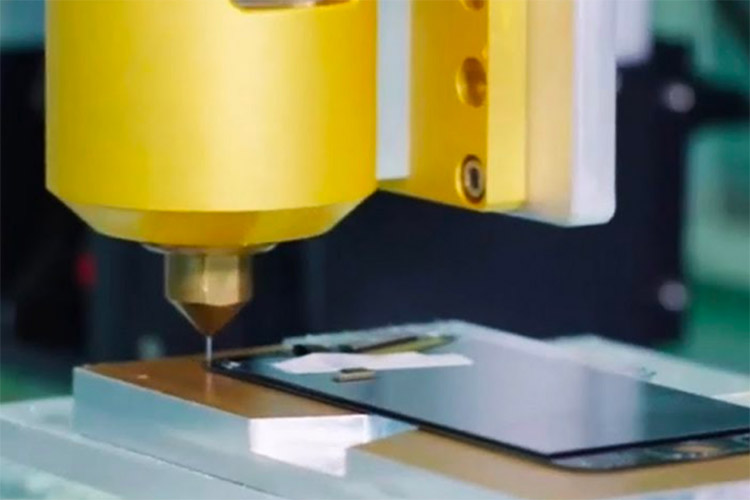
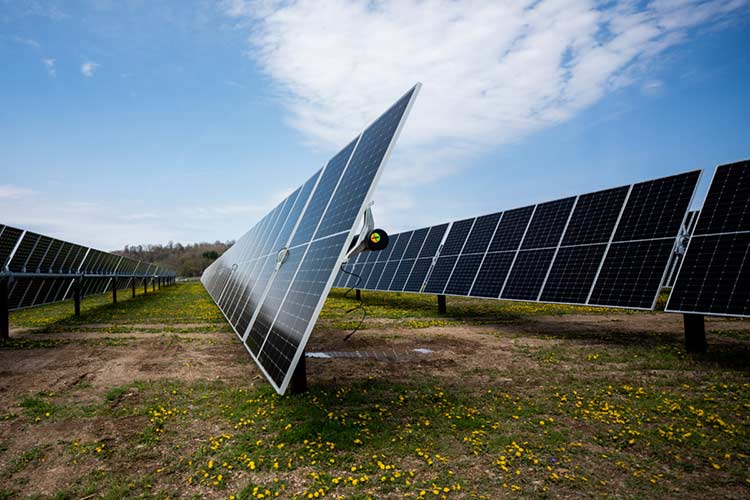
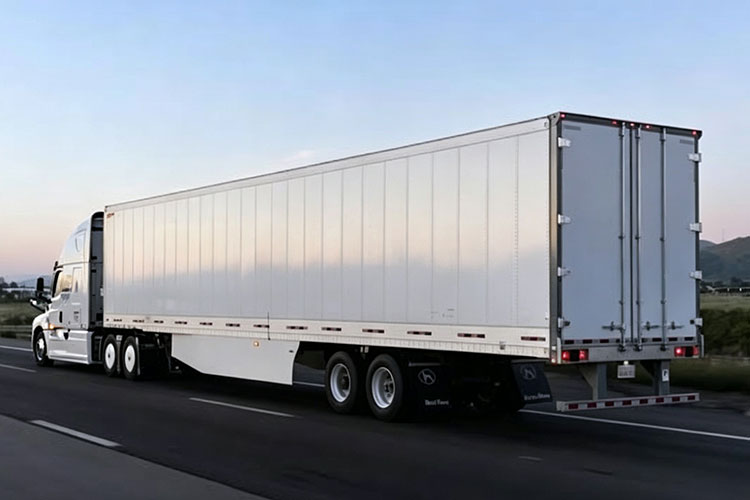
Las láminas de aluminio se utilizan ampliamente en la decoración de edificios, transporte, electrónica, materiales de embalaje y otros campos, desempeñando un papel importante en la economía nacional.