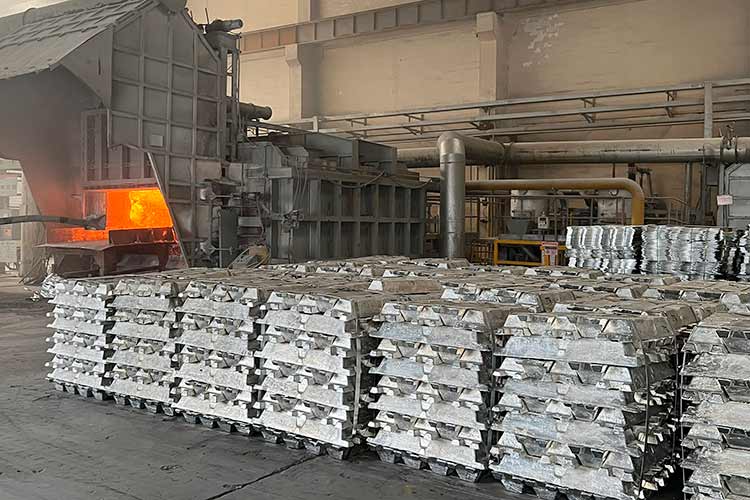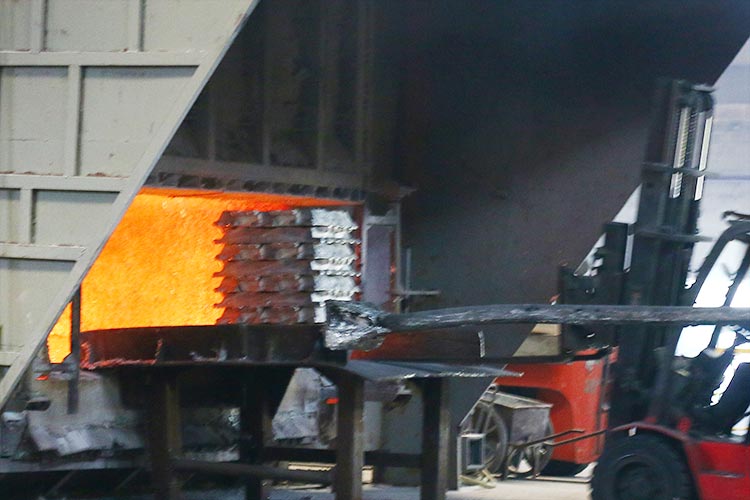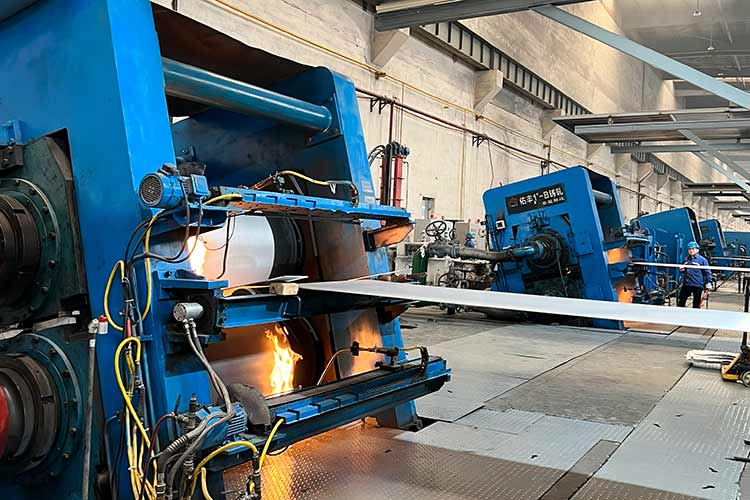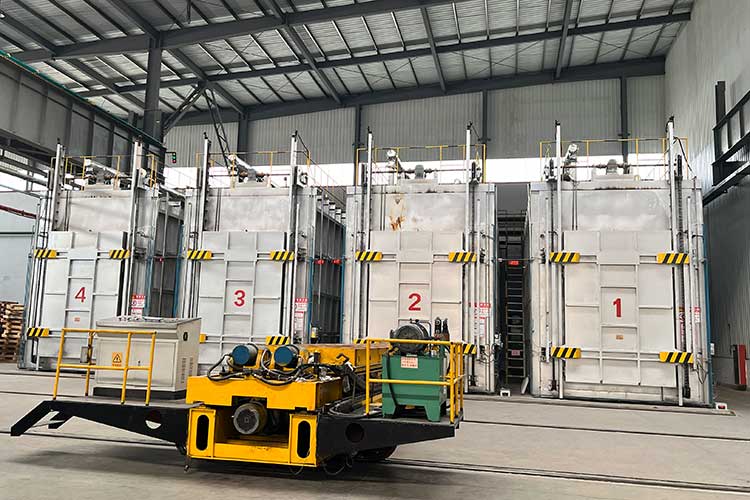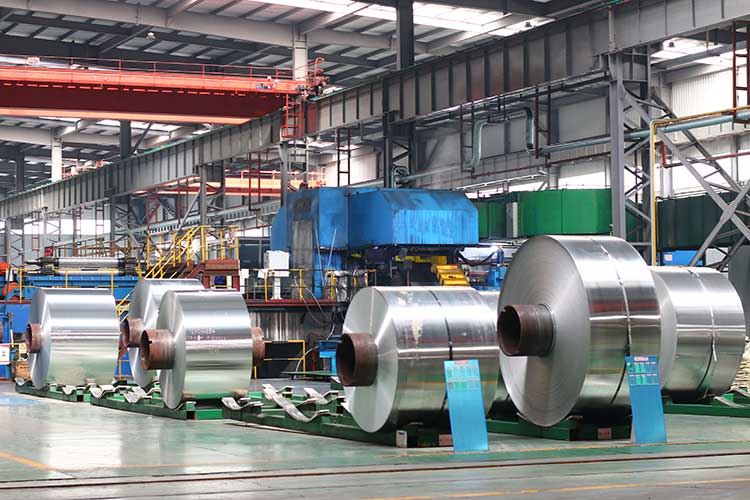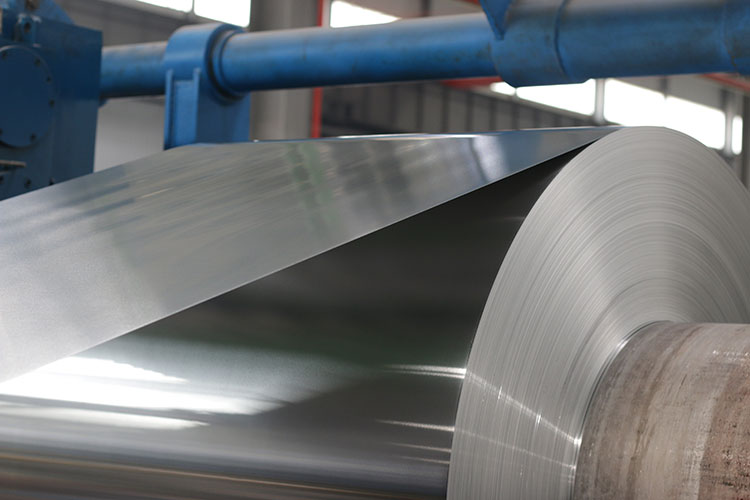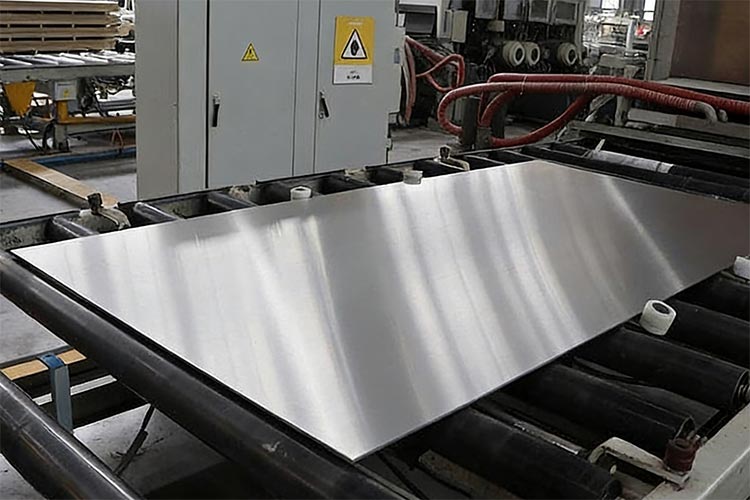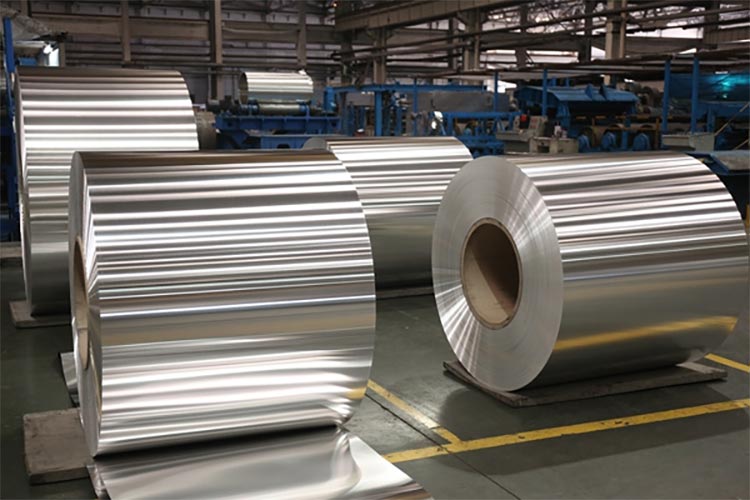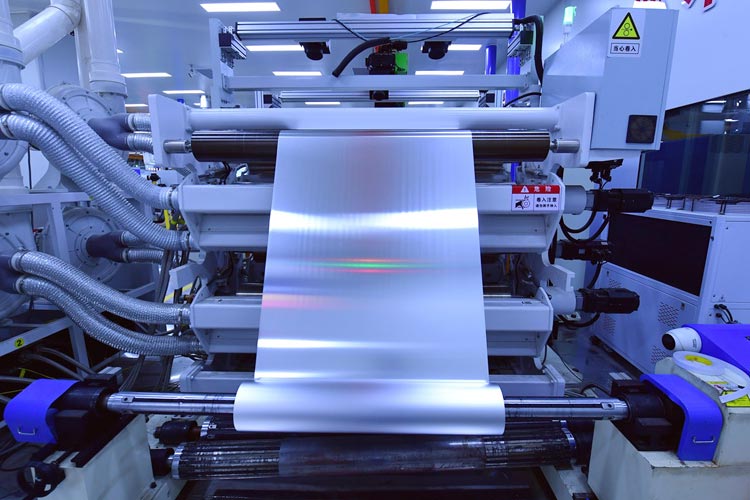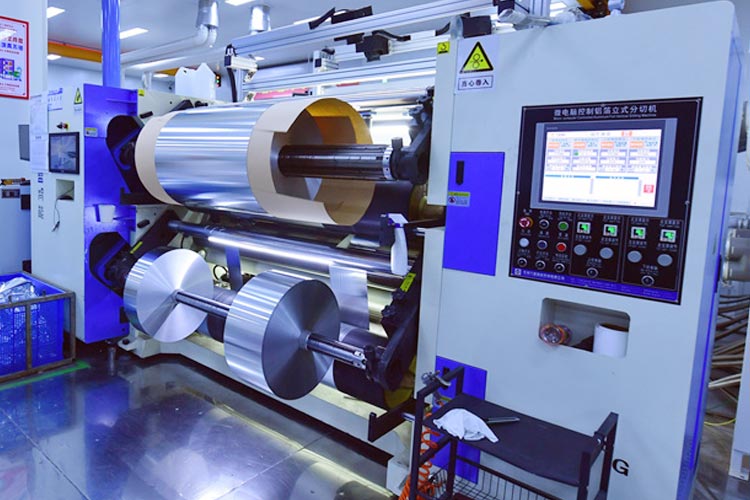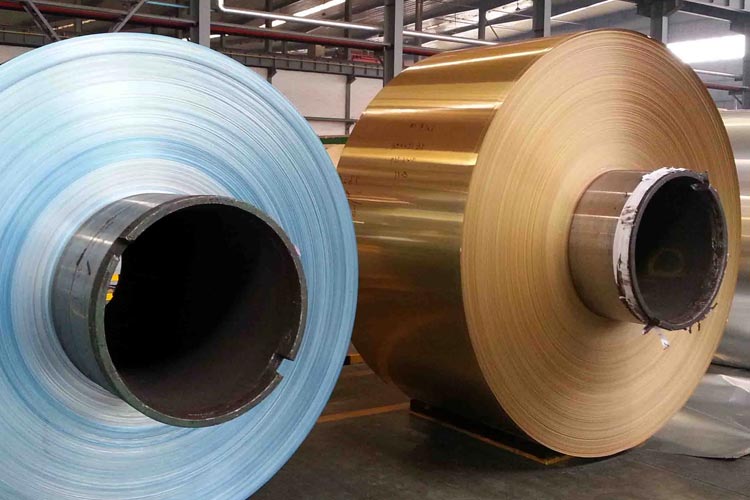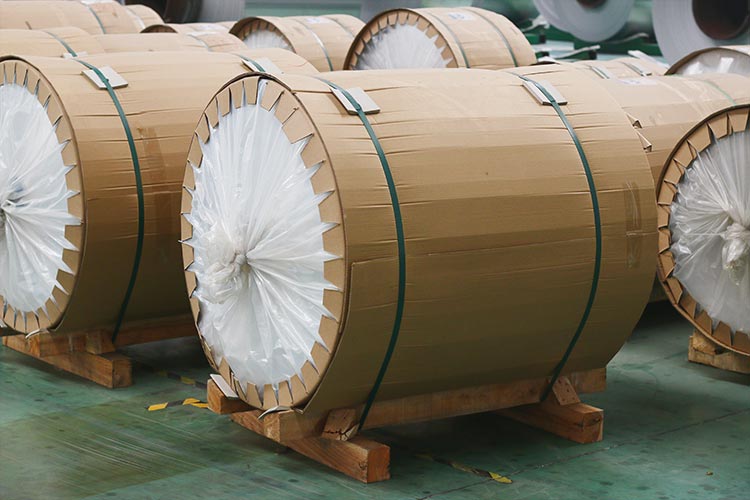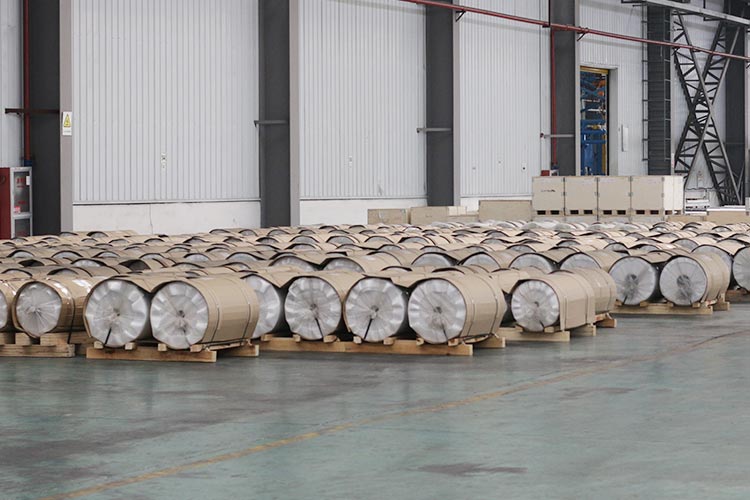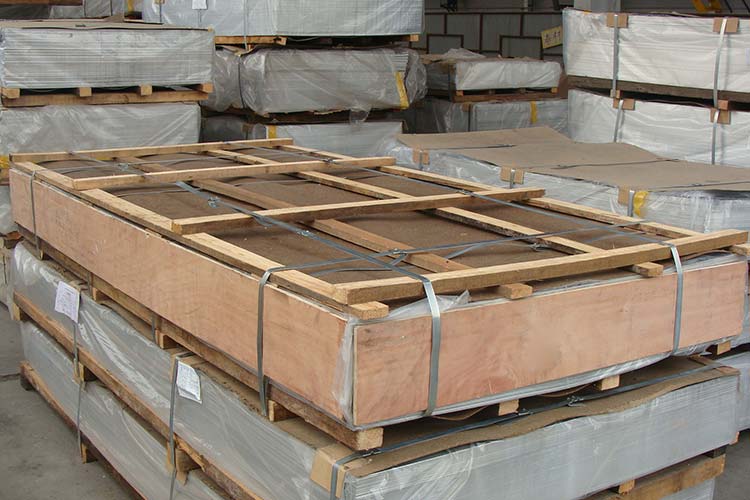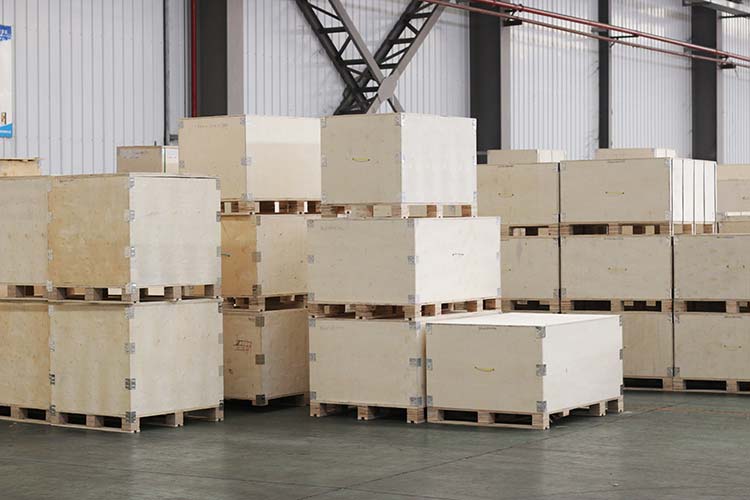
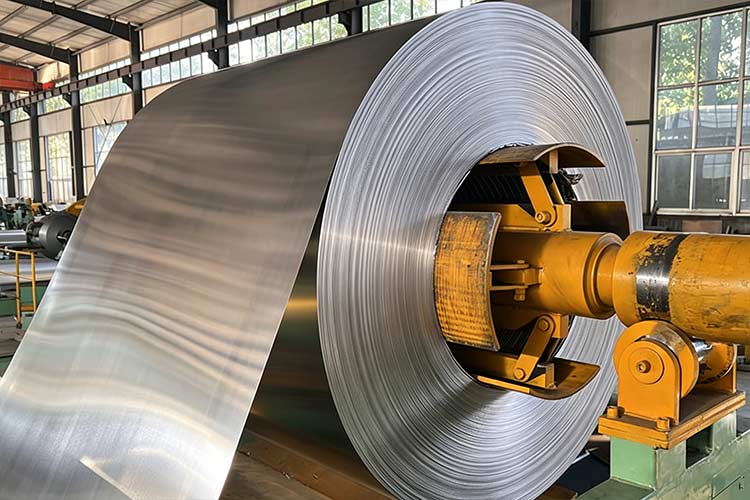
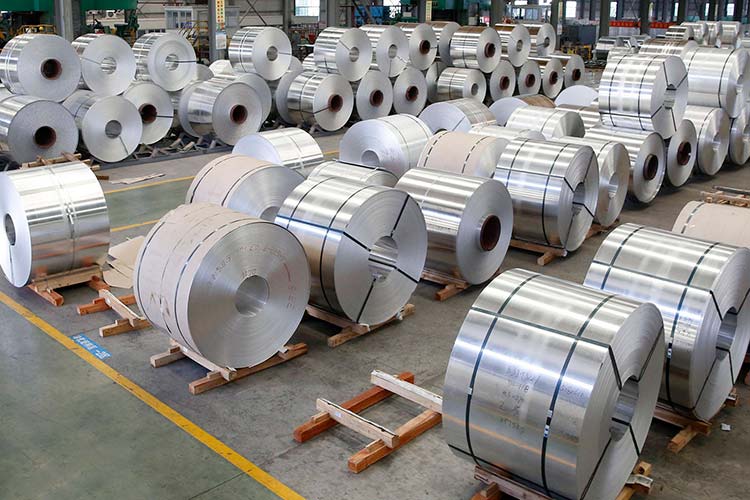
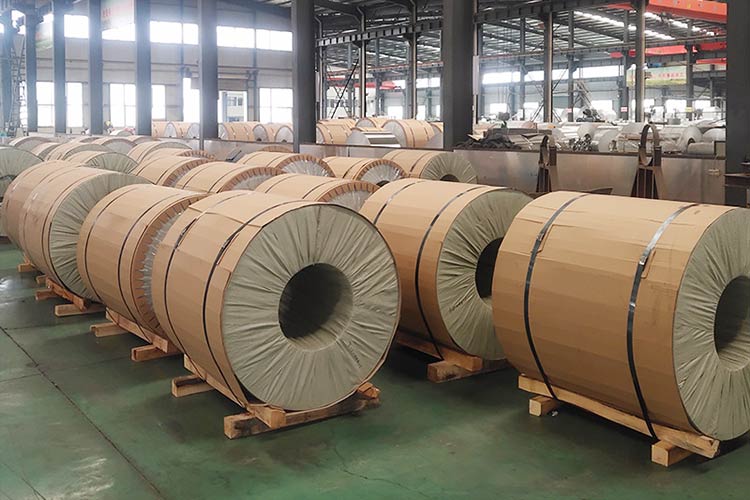
8006 aluminum coil is a non-heat-treatable aluminum alloy from the 8xxx series, primarily alloyed with iron (Fe) and silicon (Si). It offers an excellent balance of strength, formability, corrosion resistance, and barrier performance. Due to its superior mechanical properties compared with pure aluminum series, 8006 aluminum coil is widely used in packaging, food containers, pharmaceutical packaging, and industrial foil applications.
Description
Yutwin New Materials specializes in the production of aluminum coils and sheets in a wide range of alloys, grades, and specifications, offering stable quality, flexible customization, and reliable supply to meet the diverse needs of different industries.
Features
- High Strength & Durability
Compared with pure aluminum series, 8006 aluminum coil offers higher mechanical strength and improved rigidity, making it suitable for demanding forming and packaging applications.
- Excellent Formability
Exhibits outstanding rolling, stamping, and deep drawing performance, ensuring stable processing during high-speed production.
- Superior Corrosion Resistance
Provides strong resistance to oxidation and corrosion, maintaining performance and appearance in humid and aggressive environments.
- Outstanding Barrier Properties
Effectively blocks moisture, light, oxygen, and odors, ensuring excellent protection for food, pharmaceutical, and industrial packaging.
- Food-Grade Safety
Non-toxic and odorless, fully compliant with food-contact regulations, making it safe for direct contact with food and pharmaceuticals.
- Good Thermal Conductivity
Ensures efficient heat transfer, suitable for applications requiring rapid heating or cooling, such as food containers and thermal packaging.
Specifications
| Item | Specification |
|---|---|
| Alloy | 8006 |
| Chemical Composition (%) | Al: Balance; Fe: 1.2–2.0; Si: ≤ 0.30; Cu: ≤ 0.10; Mn: ≤ 0.10; Mg: ≤ 0.05; Zn: ≤ 0.10; Ti: ≤ 0.05; Others: ≤ 0.15 |
| Temper | O, H14, H16, H18, H22, H24 |
| Thickness | 0.02 – 3.0 mm |
| Width | 100 – 2000 mm |
| Inner Diameter | 76 mm / 152 mm / 300 mm |
| Coil Weight | 1 – 5 tons (customizable) |
| Surface Finish | Mill finish, one side bright, both sides bright |
| Standards | ASTM, EN, GB/T, JIS |
Common Aluminum Surface Treatments

Polishing
Polishing uses mechanical grinding, chemical, or electrochemical methods to improve the smoothness and brightness of aluminum surfaces. Polished aluminum features a high-gloss finish and excellent decorative appearance.

Brushing
Brushing is a surface treatment process that creates fine, directional textures on aluminum using abrasive belts or brushes. The brushed surface provides a refined metallic appearance while helping conceal minor scratches.
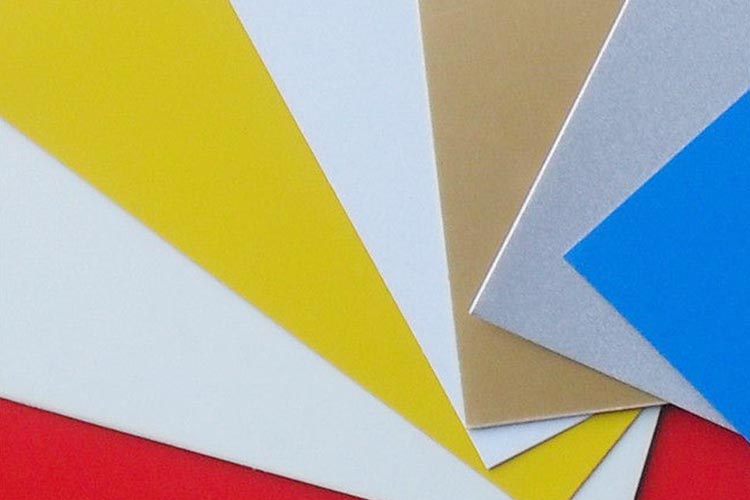
Coating
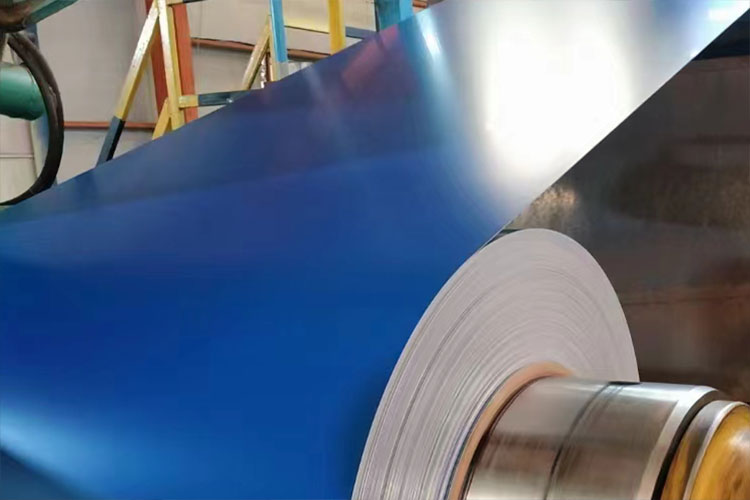
Coating applies a protective coating onto the aluminum surface through powder coating, liquid spraying, or other coating methods. It provides excellent weather resistance, corrosion protection, and a wide range of color options. Coated aluminum offers both decorative appeal and long-term durabilit.

Anodizing
Anodizing is an electrochemical process that forms a dense oxide layer on the aluminum surface, improving corrosion resistance, wear resistance, and surface hardness. The oxide layer can also be colored to achieve various finishes.

Sand Blasting
Sand blasting uses high-speed abrasive particles to impact the aluminum surface, creating a uniform matte texture. This process provides a soft metallic appearance, reduces fingerprint marks, and improves coating adhesion for subsequent finishing processes.
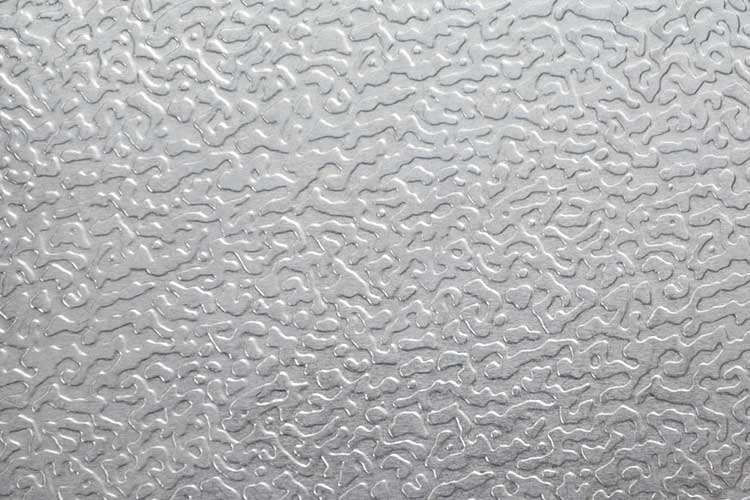
Embossing
Embossing is a process that forms raised or recessed patterns on aluminum surfaces through rolling or stamping. Common patterns include stucco, diamond, and wood grain textures. Embossed aluminum offers excellent decorative effects, scratch resistance, and certain anti-slip properties.
Applications
- Food packaging
Widely used for aluminum foil in food wrapping, containers, trays, and pouches due to good corrosion resistance and hygienic properties.
- Household applications
Suitable for kitchen foil, baking sheets, and disposable containers.
- Industrial packaging
Applied in pharmaceutical, cosmetic, and chemical packaging where hygiene, corrosion resistance, and barrier properties are critical.
- Heat transfer applications
Ideal for components requiring good thermal conductivity, such as heat exchangers or thermal packaging.
- Electrical applications
Can be used for capacitors, shielding, and other thin-gauge electrical components.
- Decorative and functional laminates
Suitable for coating, printing, or laminating for functional or decorative purposes.