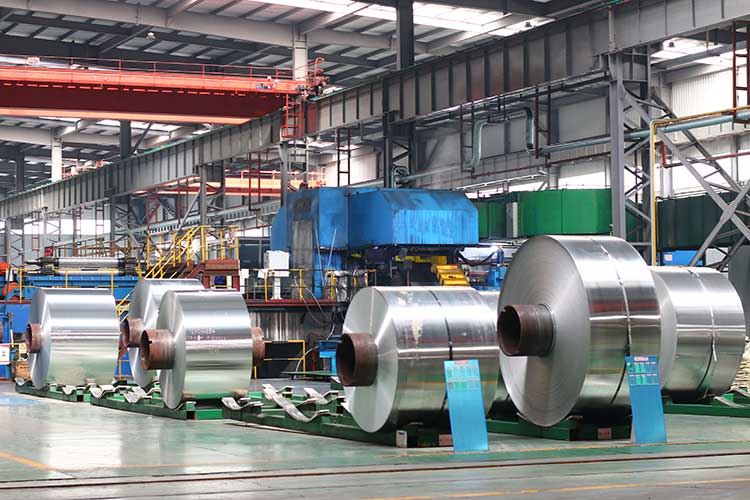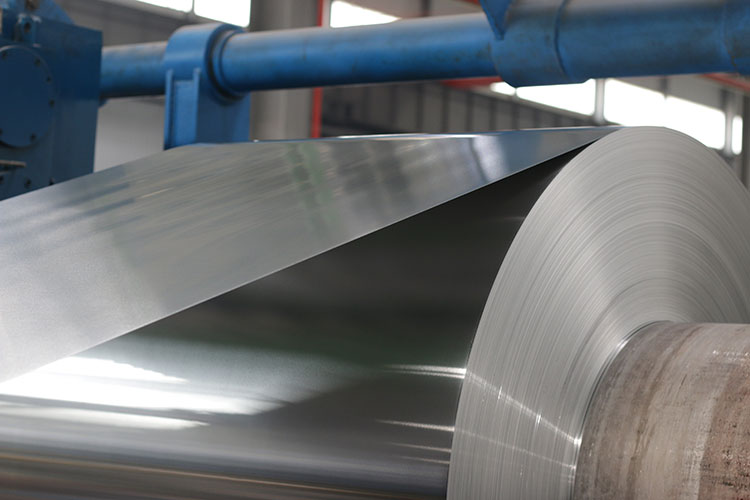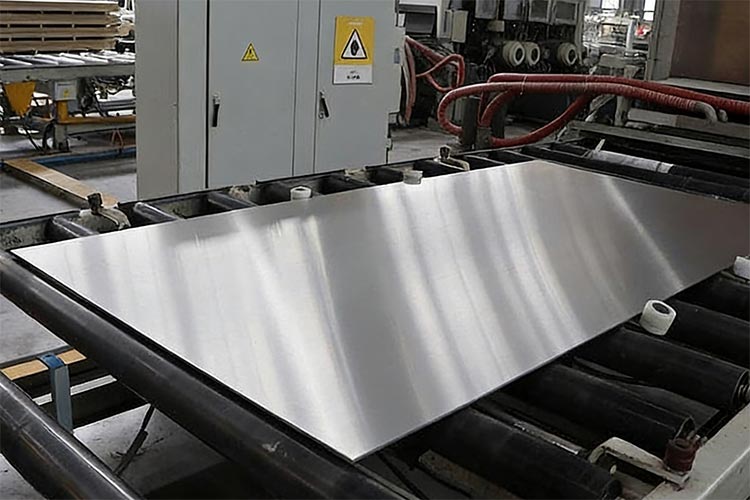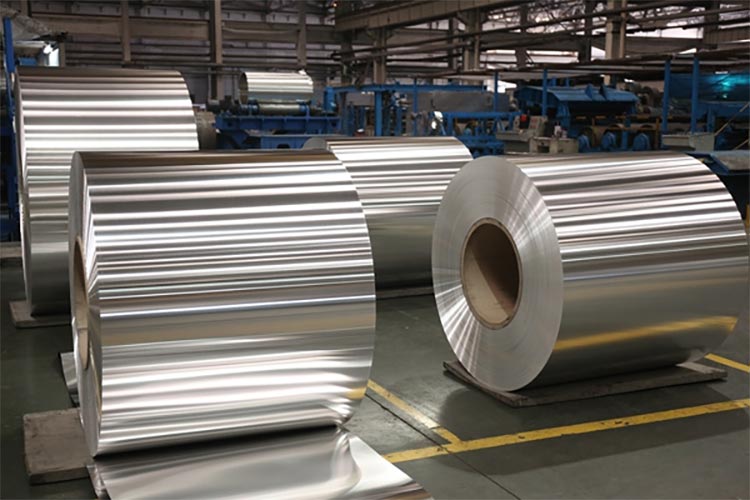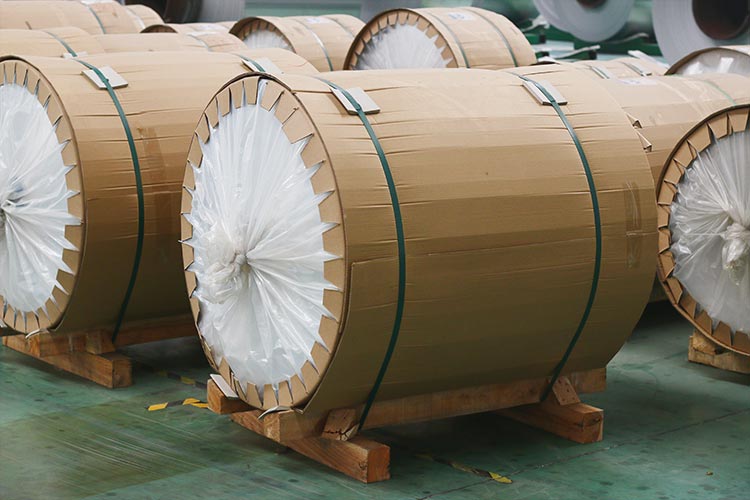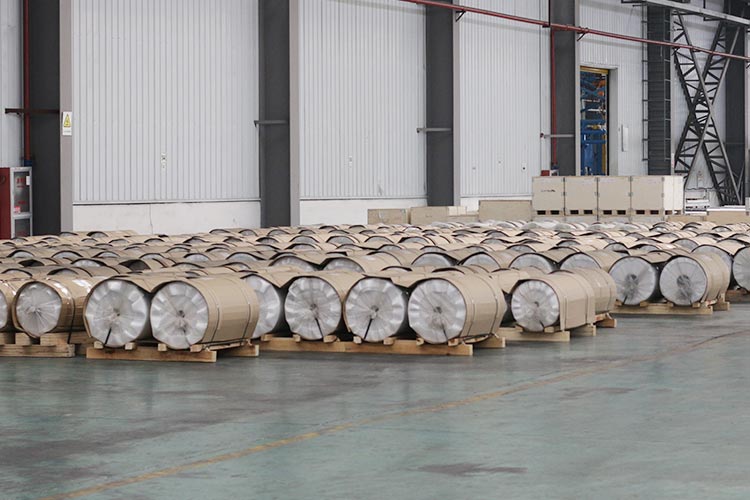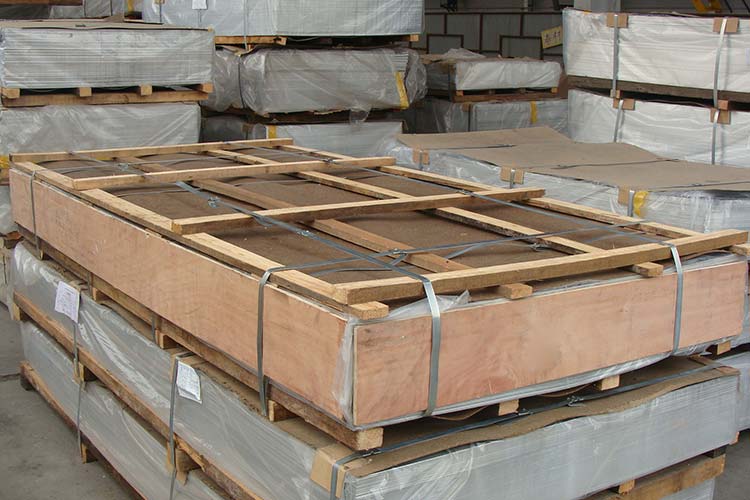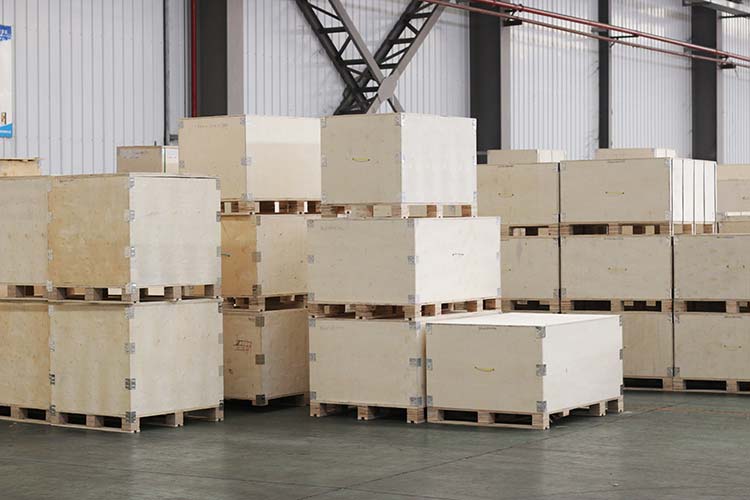
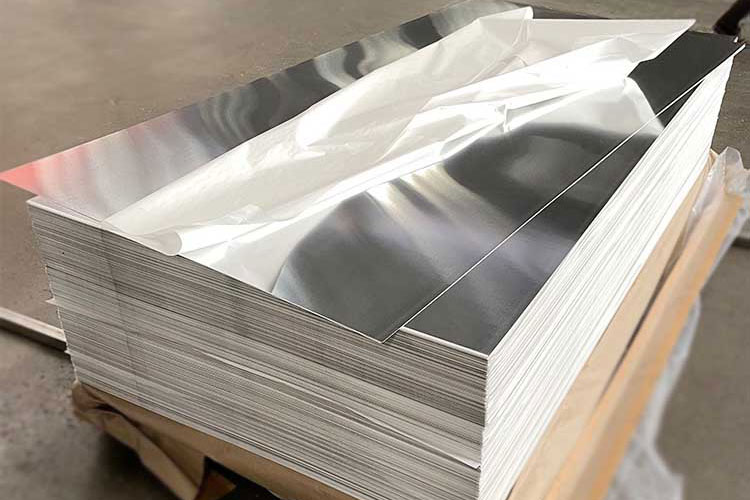
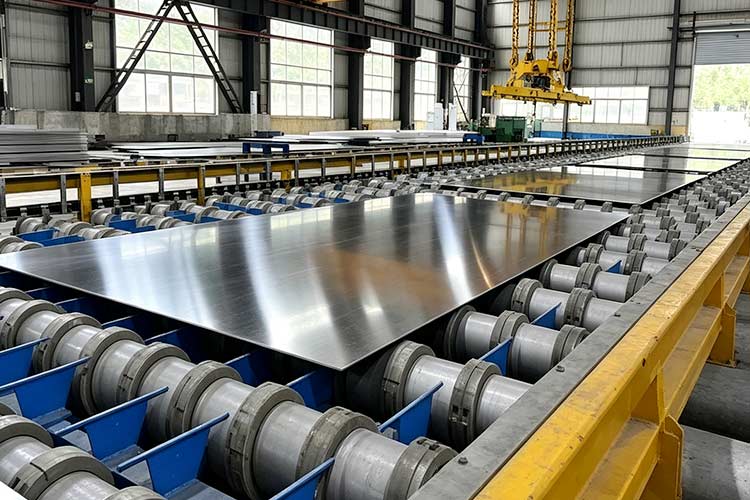
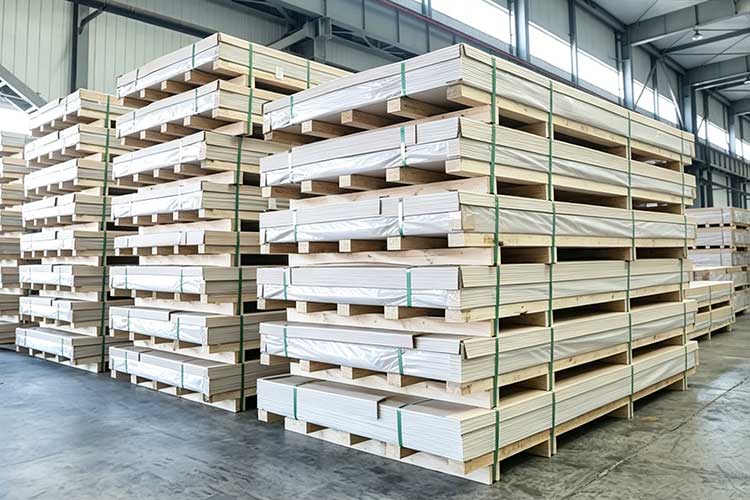
3105 aluminum sheet belongs to the 3000 series aluminum-manganese alloys, with manganese as the primary alloying element. Compared with 3003 aluminum, 3105 offers slightly higher strength while maintaining excellent formability and corrosion resistance, making it a popular choice for architectural and general-purpose applications.
Description
Yutwin New Materials specializes in the production of aluminum sheets and coils in a wide range of alloys, grades, and specifications, offering stable quality, flexible customization, and reliable supply to meet the diverse needs of different industries.
Features
- Higher Strength than 3003
Improved mechanical performance for structural and decorative uses.
- Excellent Corrosion Resistance
Suitable for outdoor and atmospheric environments.
- Good Formability
Ideal for bending, stamping, rolling, and general fabrication.
- Good Thermal Conductivity
Applicable to heat transfer and cooling-related applications.
- Excellent Weldability
Compatible with common welding methods.
- Good Surface Finishing Performance
Well-suited for coating, painting, anodizing, and embossing.
Specifications
| Parameter | Description |
|---|---|
| Alloy | 3105 |
| Chemical Composition (%) | Al ≥ 98.9, Mn 0.3 – 0.8, Mg ≤ 0.8, Cu ≤ 0.30, Si ≤ 0.60, Fe ≤ 0.70, Zn ≤ 0.40, Others ≤ 0.05 |
| Temper | O, H12, H14, H16, H18, H22, H24 |
| Thickness Range | 0.2 – 6.0 mm (customizable) |
| Width (mm) | 20 – 2000 |
| Length (mm) | 2000 – 6000 |
| Surface Finish | Mill Finish, Bright, Brushed, Coated, Film Laminated (optional) |
| Standard | ASTM B209 / EN AW-3105 / GB/T 3880 |
Common Aluminum Surface Treatments

Polishing
Polishing uses mechanical grinding, chemical, or electrochemical methods to improve the smoothness and brightness of aluminum surfaces. Polished aluminum features a high-gloss finish and excellent decorative appearance.
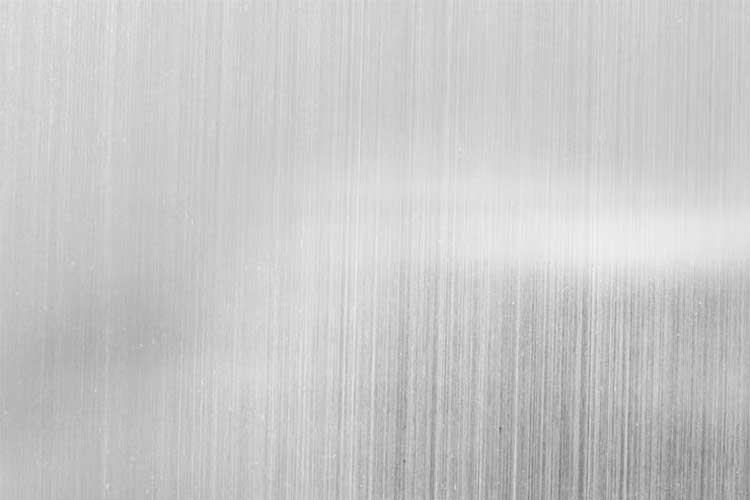
Brushing
Brushing is a surface treatment process that creates fine, directional textures on aluminum using abrasive belts or brushes. The brushed surface provides a refined metallic appearance while helping conceal minor scratches.
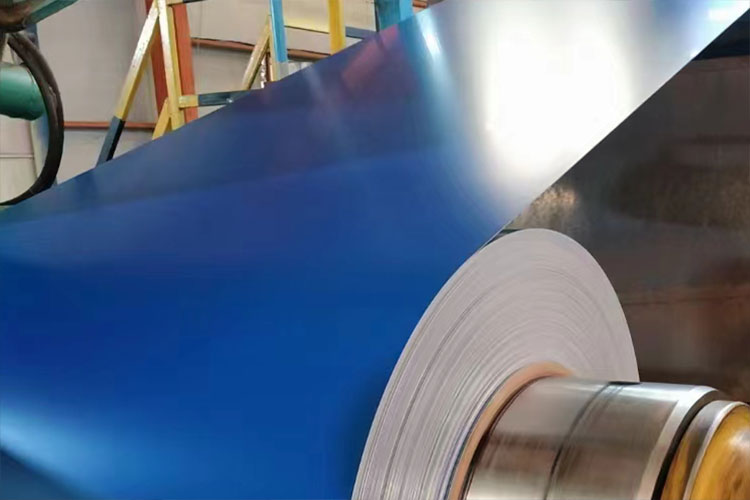
Coating
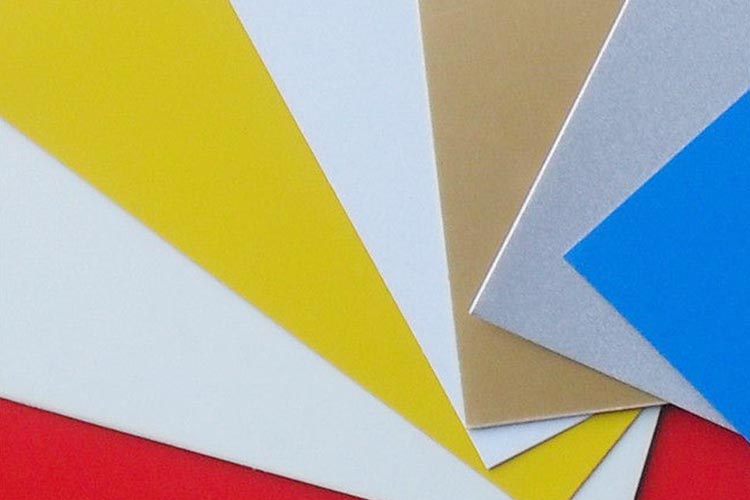
Coating applies a protective coating onto the aluminum surface through powder coating, liquid spraying, or other coating methods. It provides excellent weather resistance, corrosion protection, and a wide range of color options. Coated aluminum offers both decorative appeal and long-term durabilit.

Anodizing
Anodizing is an electrochemical process that forms a dense oxide layer on the aluminum surface, improving corrosion resistance, wear resistance, and surface hardness. The oxide layer can also be colored to achieve various finishes.
Sand Blasting
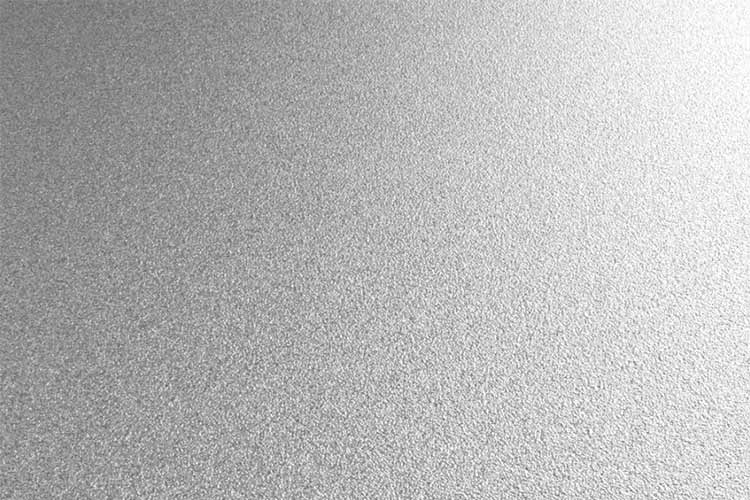
Sand blasting uses high-speed abrasive particles to impact the aluminum surface, creating a uniform matte texture. This process provides a soft metallic appearance, reduces fingerprint marks, and improves coating adhesion for subsequent finishing processes.
Embossing
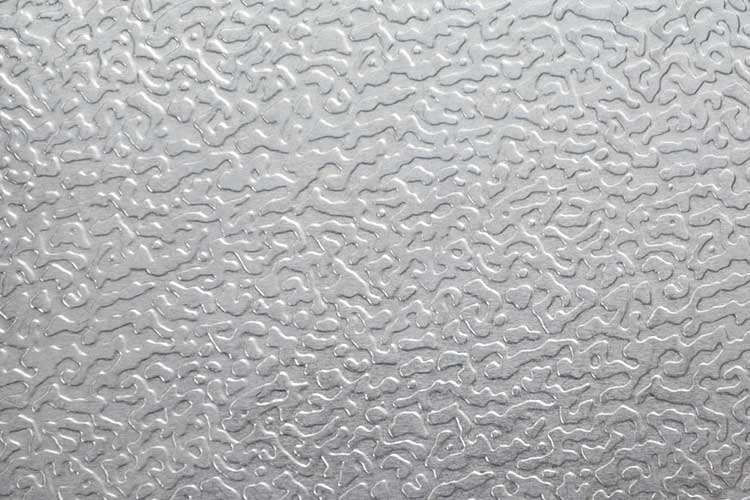
Embossing is a process that forms raised or recessed patterns on aluminum surfaces through rolling or stamping. Common patterns include stucco, diamond, and wood grain textures. Embossed aluminum offers excellent decorative effects, scratch resistance, and certain anti-slip properties.
Typical Applications
- Roofing sheets and wall cladding.
- Curtain wall panels and architectural decoration.
- Mobile homes and prefabricated buildings.
- Household appliances and electrical enclosures.
- Signboards and advertising panels.
- General industrial fabrication.